
Hydration Science for Kids: Why This Age Group Needs a Smart Solution
Children are constantly growing, learning, and moving — which means their bodies rely heavily on proper hydration to keep up. Yet many parents worry that their kids simply don’t drink enough water throughout the day. Unlike adults, children often forget to hydrate, don’t recognize early thirst cues, and may not enjoy the taste of plain water.
That’s why smart hydration solutions designed specifically for kids are becoming increasingly popular. Backed by science and driven by technology, these tools make drinking water fun, automatically track intake, and help parents ensure their children stay healthy and hydrated.
Let’s explore the science behind why hydration is so crucial for kids — and how smart hydration tools can make a difference.
The science of hydration: how kids` bodies use water

Water’s essential role in growing bodies
Water powers nearly every biological function, but for kids, it’s even more important:
- Supports digestion and nutrient absorption — critical for growth.
- Regulates body temperature, especially during play or outdoor activities.
- Boosts brain function, helping with memory, focus, and mood.
- Keeps joints and muscles healthy, preventing fatigue during active play.
Why do children dehydrate faster than adults?
Kids lose water more quickly due to:
- Higher metabolic rates — their bodies burn energy faster.
- Higher surface-area-to-volume ratio — their smaller bodies lose heat and moisture rapidly.
- More physical activity — including play, sports, and recess — increases fluid loss.
- Weaker thirst signals — children often don’t notice or report thirst early.
Research consistently shows that children dehydrate more quickly and more frequently than adults, especially during warm weather or exercise.
The signs of dehydration that parents often overlook
Physical symptoms
- Dry lips
- Headaches
- Fatigue
- Dizziness
- Dark yellow urine or fewer bathroom trips
Behavioral symptoms
Many parents don’t realize that dehydration impacts mood and behavior:
- Irritability
- Difficulty concentrating
- Reduced interest in play
- Slower reaction time
Long-term impacts of chronic low water intake
Consistently drinking too little water may contribute to:
- Constipation
- Poor academic performance
- Frequent urinary tract problems
- Sluggish metabolism
Hydration doesn’t just affect physical health — it plays a major role in cognitive development and daily performance.
Why traditional water bottles don`t work for kids

Even with the best intentions, most kids simply don’t drink enough using traditional water bottles.
· They forget to drink: Playing, learning, and digital distractions make hydration a low priority.
· Parents can't monitor intake: A half-full bottle doesn’t reveal when — or if — a child drank throughout the day.
· Kids need engagement: Hydration feels like a chore unless it includes fun features or rewards.
· Hygiene concerns: Many bottles are improperly washed, leading to bacterial buildup.
The challenge isn’t that kids don’t want to stay hydrated — they just need the right tools and motivation.
The rise of smart hydration solutions for kids

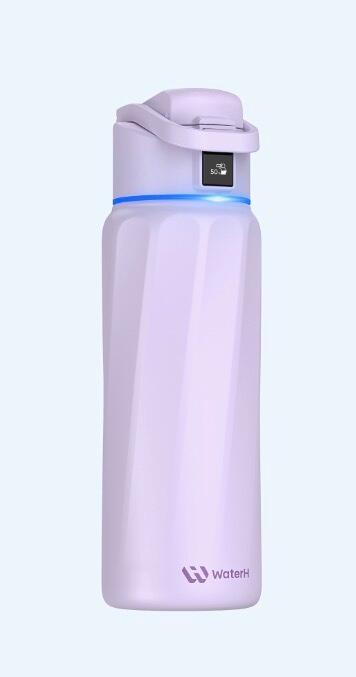
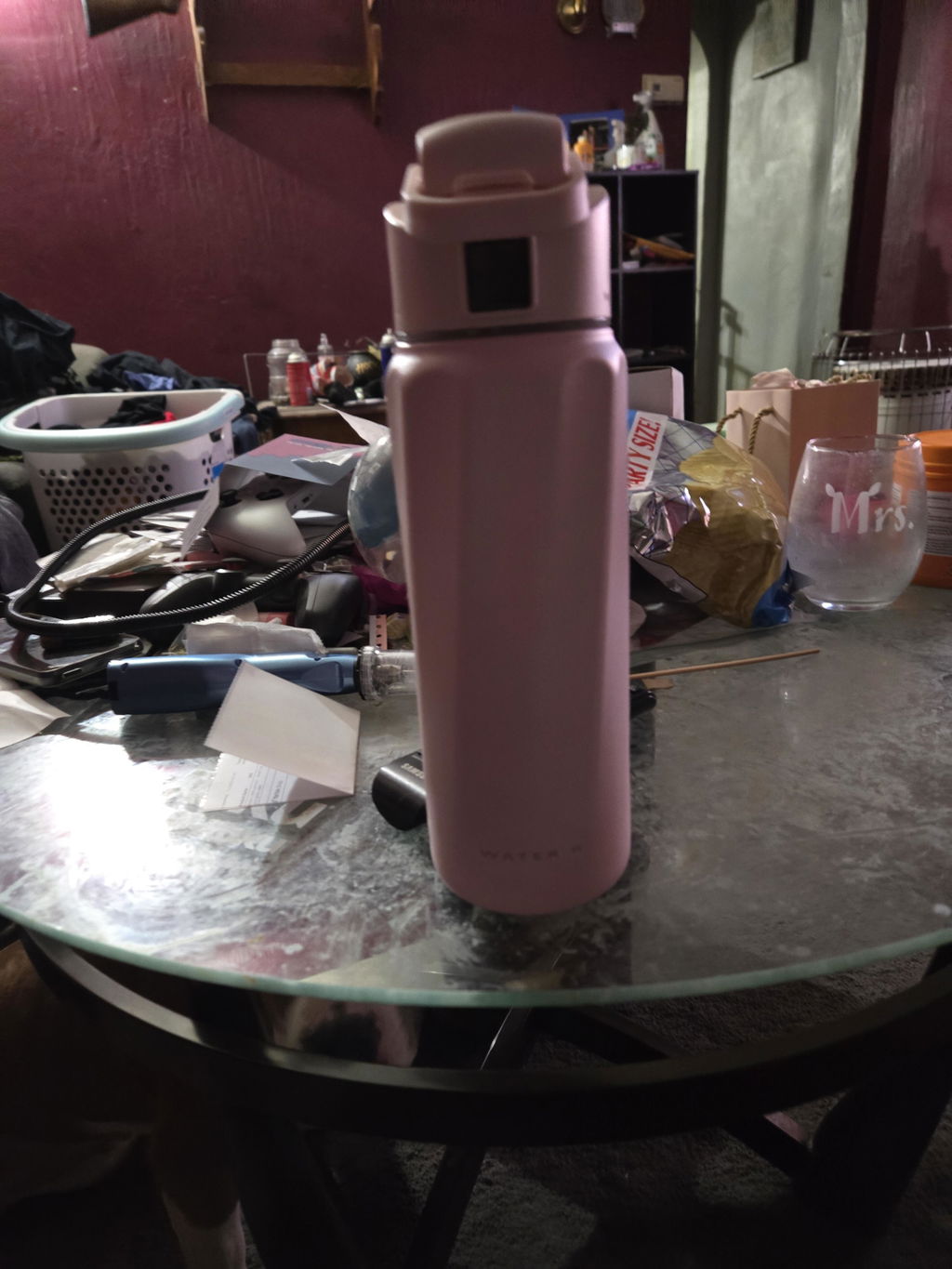
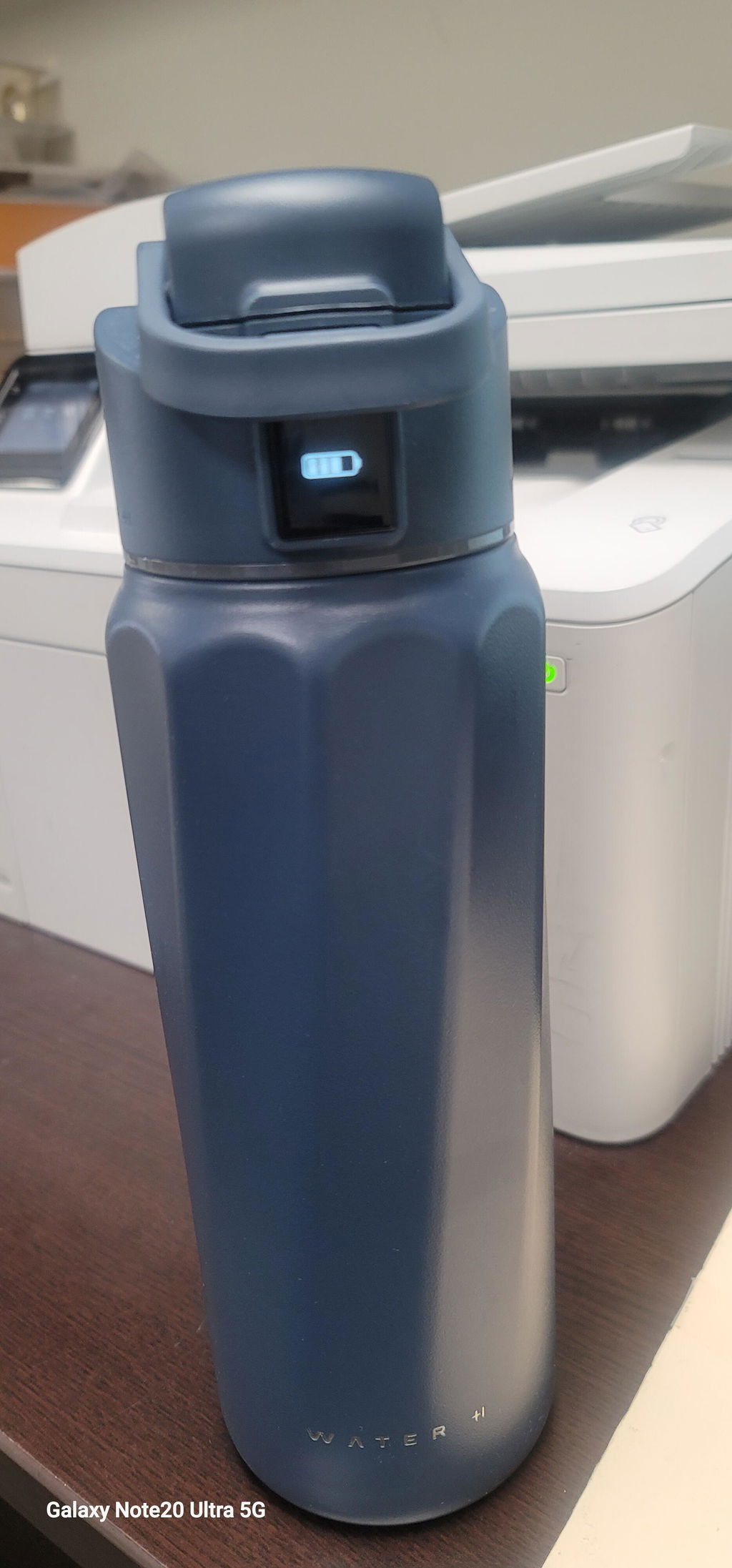
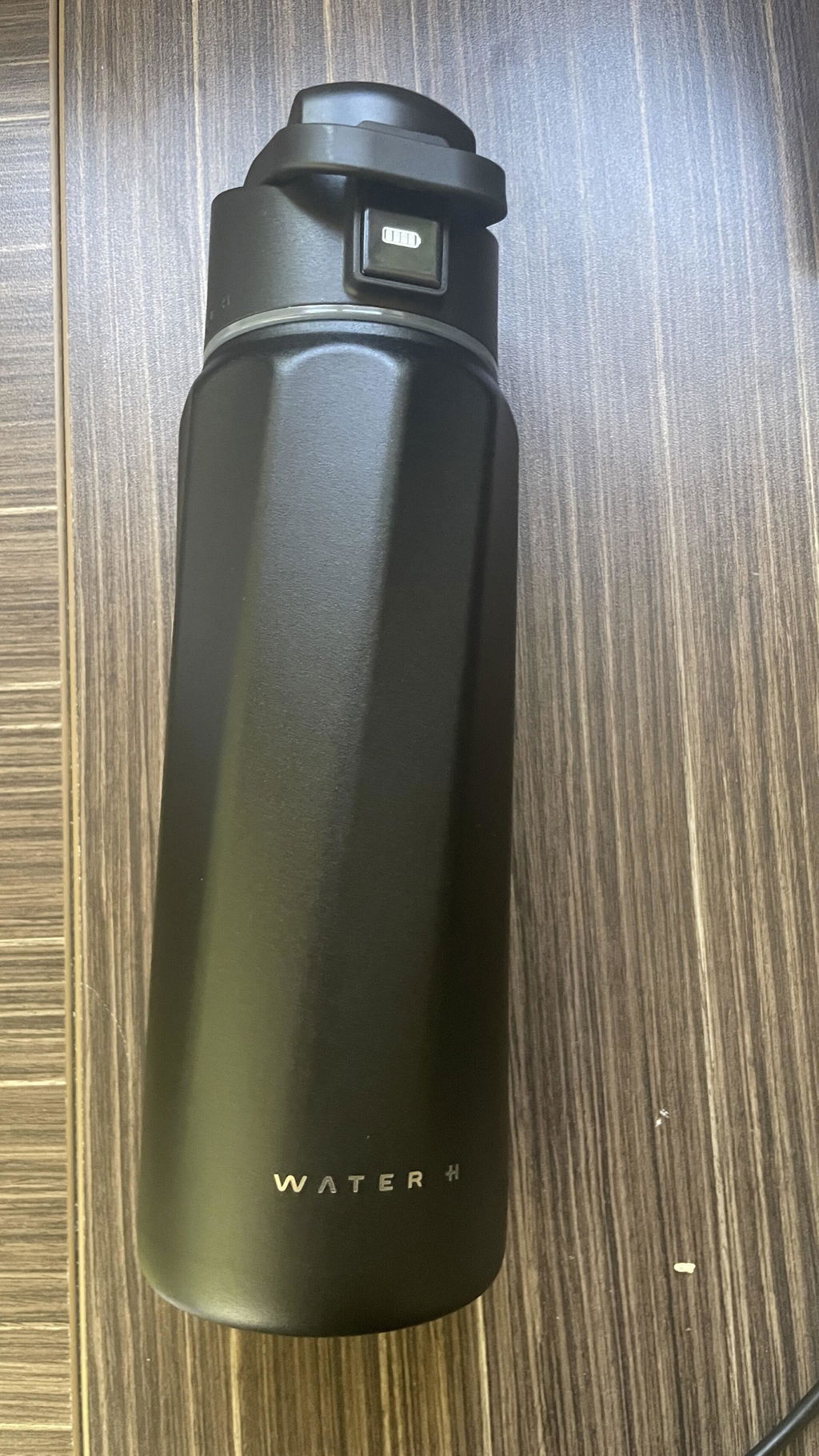
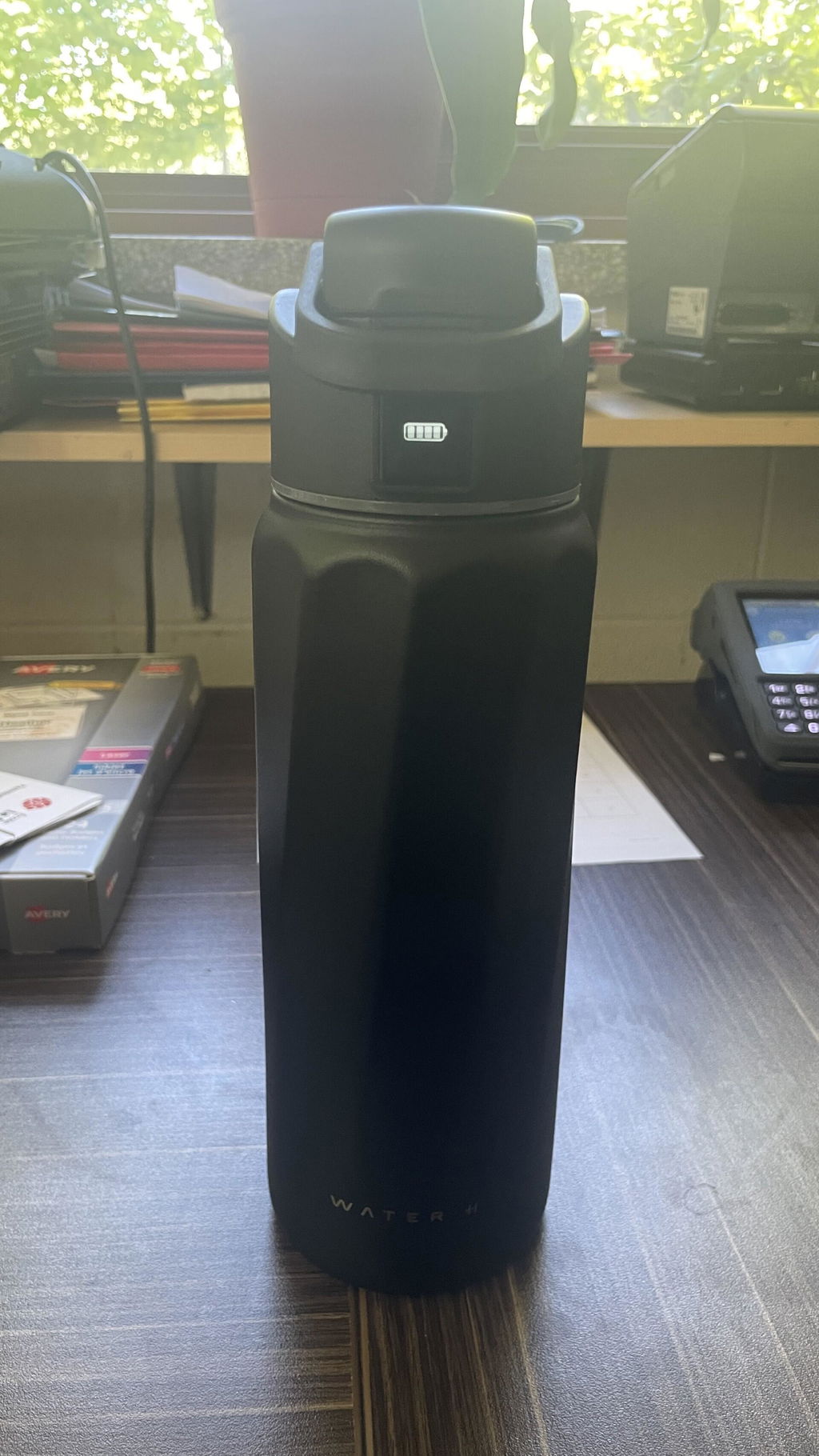
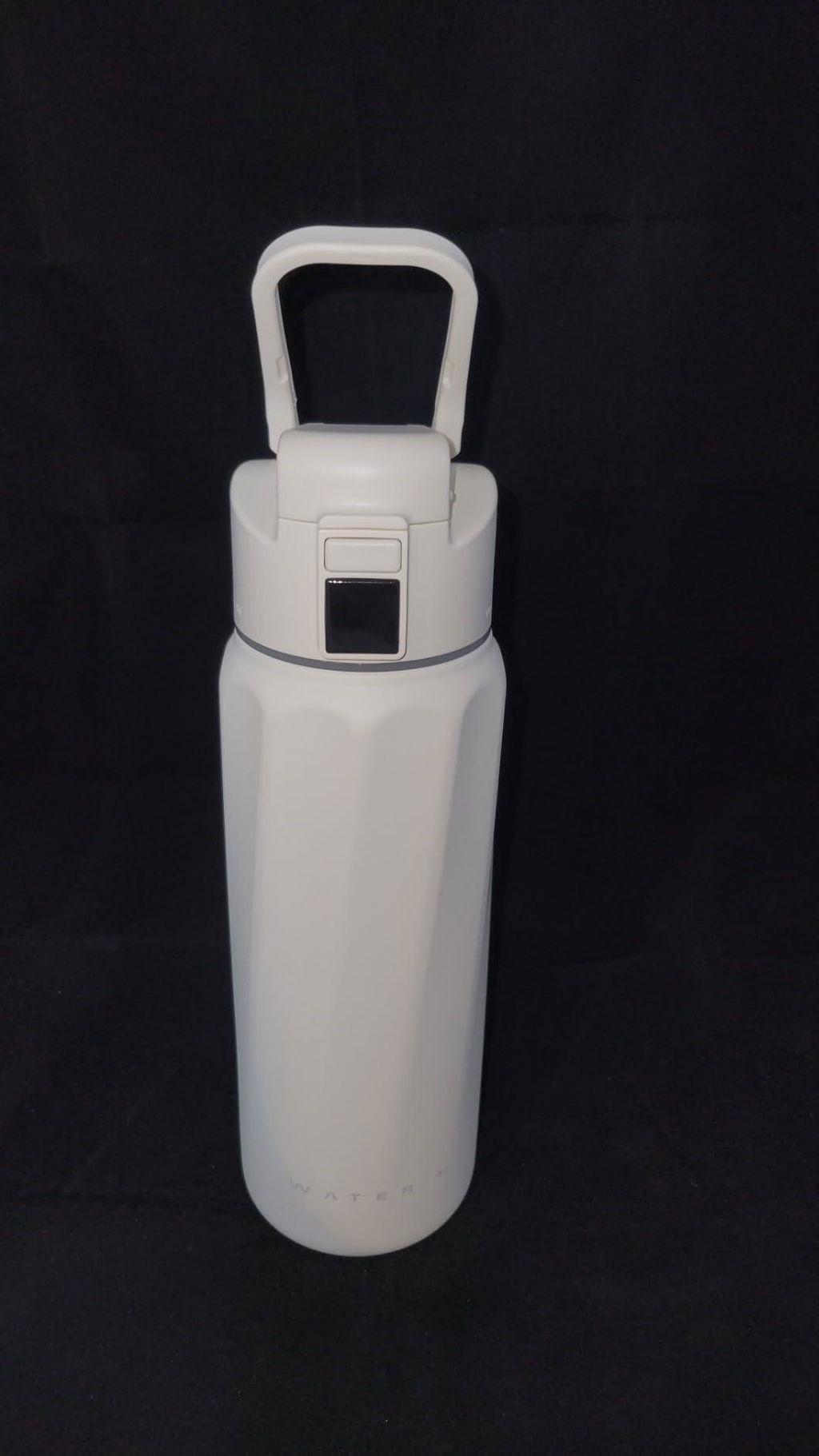
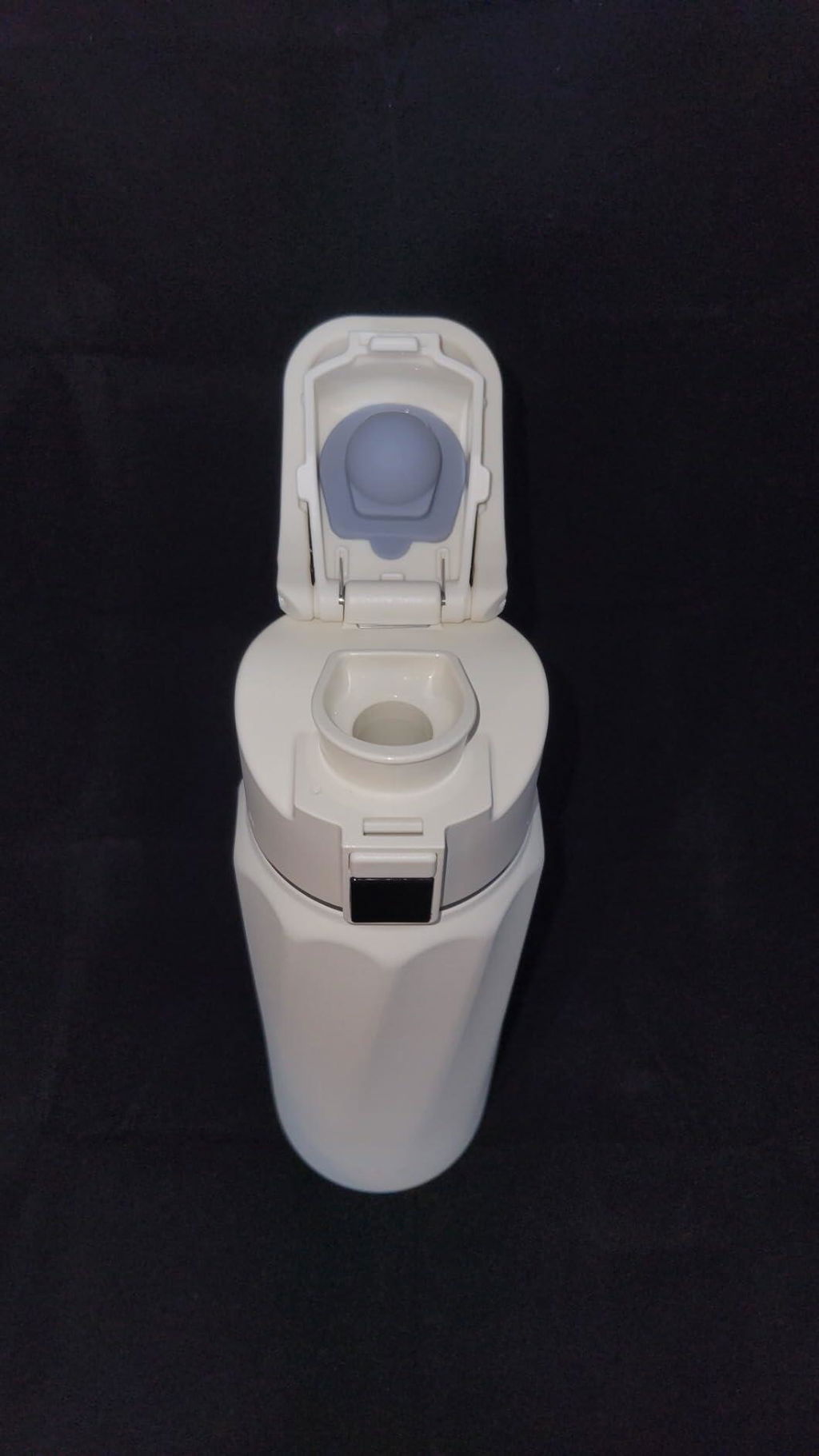
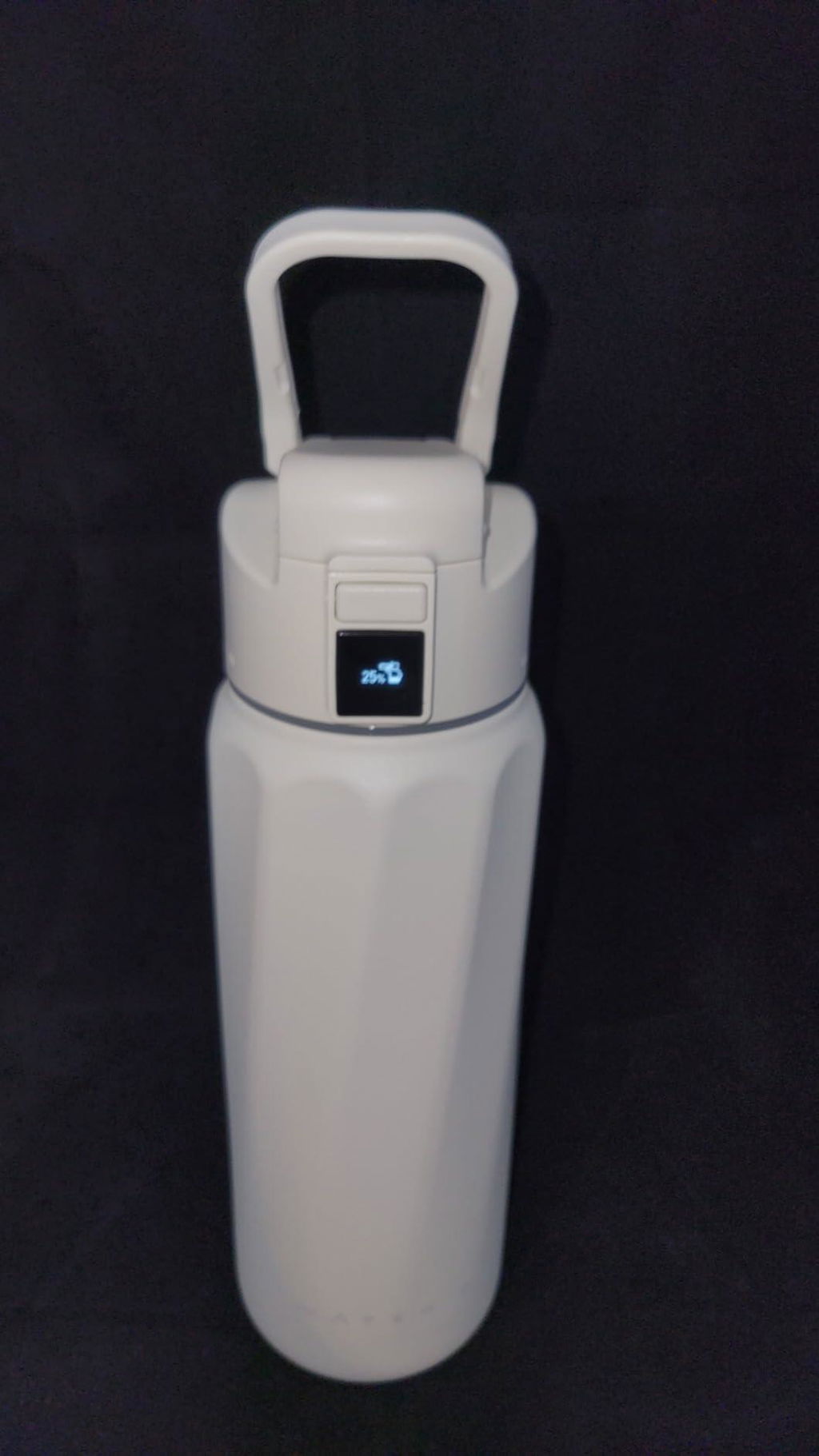
Smart hydration bottles like WaterH kids smart water bottle combine science, data, and playful design to make drinking water both engaging and effective.
What is a smart hydration bottle?
Most smart bottles include:
- Sensor-based intake tracking.
- Bluetooth connectivity.
- Hydration reminders.
- Gamification (points, lights, or characters).
- Safe, BPA-free materials.
Supporting kids’ natural behavior patterns
Smart bottles work because they align with how kids think and act:
- Fun animations or lights encourage consistent sipping.
- Timed reminders fill the gaps between school periods or activities.
- Parents can check hydration levels without interrupting their child’s day.
Science-backed benefits
Research shows that frequent small sips keep hydration levels more stable than occasional large drinks. Smart bottles reinforce this pattern and help children:
- Stay alert in class.
- Perform better in sports.
- Avoid dehydration-related fatigue.
- Build lifelong healthy habits.
What parents should look for in a smart hydration solution?

Not all smart bottles are created equal. Parents should choose one that suits their child’s routine and personality.
· Durability & leak-proof construction: Kids drop things — often. A strong body and sealed lid are essential.
· Accurate hydration tracking: Sensors should measure intake reliably.
· Safe materials: Look for BPA-free, odor-resistant, and non-toxic plastics or stainless steel.
· Customizable reminders: Hydration reminders should suit school, sports, and sleep schedules.
· Gamification: Rewards should motivate without overwhelming.
· Long battery life: No parent wants to charge yet another device daily.
· A parent-friendly app: Parents should be able to check intake, set goals, and view progress easily.
Real-life scenarios: how smart hydration helps kids every day
At school
- Quiet reminders between classes.
- Parents can see if a child drank enough during the day.
- Helps support focus and mood in the classroom.
During sports
- Prevents performance dips related to dehydration.
- Tracks intake before, during, and after practice.
At home
- Encourages healthy routines before bed and in the morning.
- Makes hydration part of family wellness habits.
For kids who dislike plain water
Smart hydration systems still track intake even if the child uses fruit-infused or lightly flavored water.
FAQs
Do hydration apps collect personal data?
Reputable brands like WaterH offer parental control and minimal data collection.
Are smart hydration systems worth the investment?
If your child frequently forgets to drink or struggles with energy and focus, smart hydration can be a game-changing investment.
Conclusion
Kids have unique hydration needs — and science shows they’re more vulnerable to dehydration than adults. Traditional water bottles often fall short because children need reminders, engagement, and tools that support healthy habits.
Smart hydration solutions offer a fun, science-backed approach to keeping kids energized, focused, and healthy. By combining technology, playfulness, and parental oversight, these tools help families build strong hydration habits that last a lifetime. Follow WaterH to find more tips for staying well-hydrated.