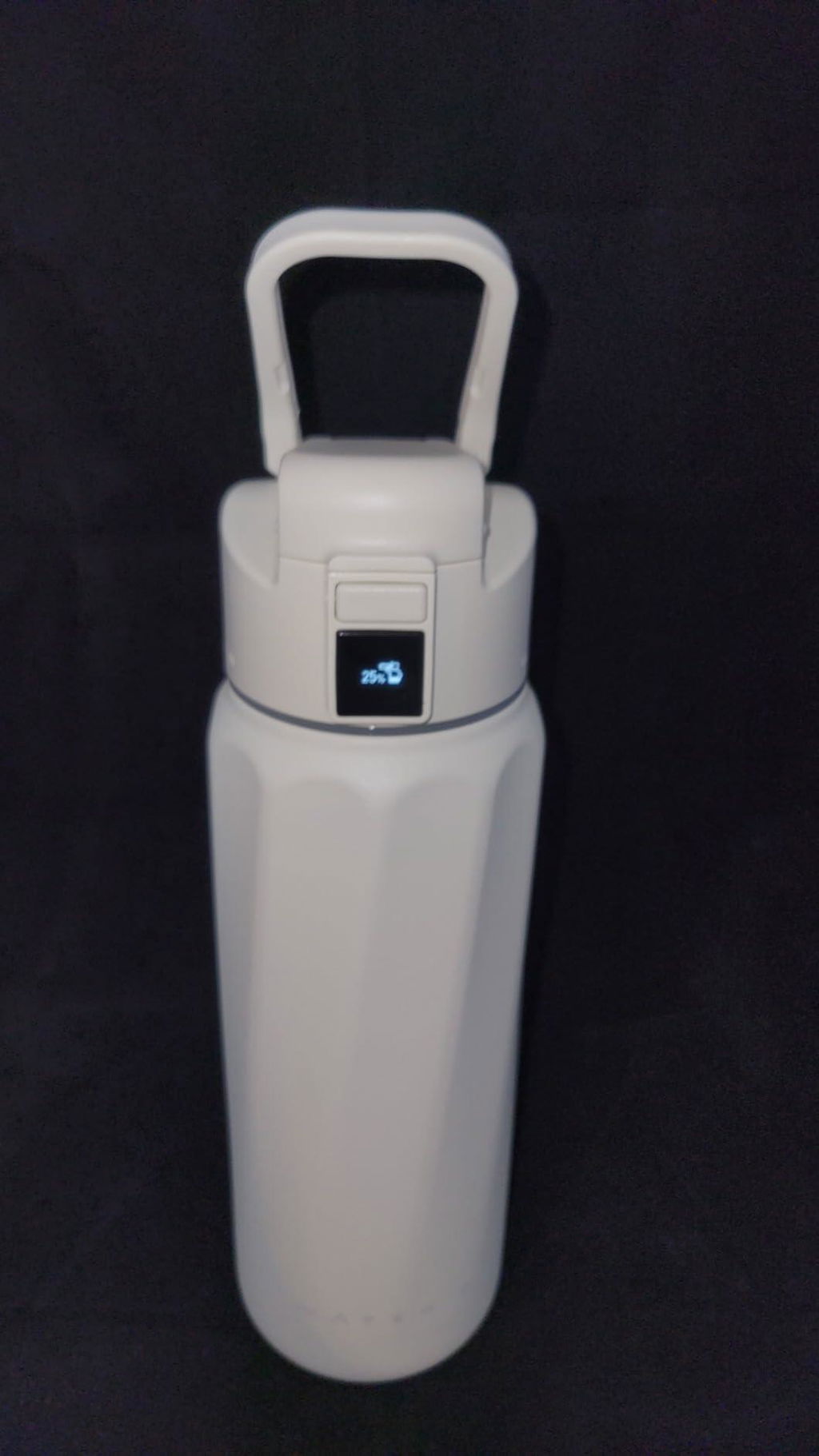

How to Make a Kids’ Hydration Routine with the WaterH Smart Bottle
Helping children build healthy habits early in life is one of the best things parents can do for their long-term well-being. Among those habits, proper hydration often gets overlooked. Many kids simply don’t drink enough water during the day—especially when they are busy with school, sports, homework, and screen time.
While parents frequently remind children to “drink more water,” those reminders don’t always turn into consistent habits. That’s why creating a structured hydration routine can make a big difference.
With tools like the WaterH Smart Bottle, parents can make hydration easier, more engaging, and even more fun for kids. In this guide, we’ll explore why hydration matters for children and how to build a simple routine to help them drink enough water every day.
Why is hydration critical for children`s health?

Water plays a vital role in nearly every function of the human body, and children are especially sensitive to dehydration.
Supports physical growth and body functions
Kids’ bodies are constantly developing. Adequate hydration helps:
- Transport nutrients throughout the body.
- Maintain healthy digestion.
- Support muscle function.
- Regulate body temperature.
When children don’t drink enough water, they may feel sluggish, experience headaches, or feel fatigued.
Improves focus and learning
Hydration also affects cognitive performance. Even mild dehydration can make it harder for kids to concentrate in class.
Studies have shown that students who stay well hydrated often experience:
- Better concentration.
- Improved short-term memory.
- Greater alertness.
- More stable moods.
For children spending hours at school each day, drinking water regularly can help them stay mentally sharp.
Strengthens overall wellness
Proper hydration helps the body remove waste and maintain healthy organ function. Drinking enough water may also help reduce the risk of constipation and maintain stable energy levels throughout the day.
Simply put, water is one of the easiest ways to support children`s health.
Signs your child may not be drinking enough water

Because kids are often focused on play or schoolwork, they may ignore thirst cues. Parents should watch for common signs of dehydration, including:
- Dark yellow urine
- Dry lips or mouth
- Frequent fatigue
- Headaches
- Irritability or mood swings
- Constipation
If these symptoms appear regularly, it may be time to rethink your child’s hydration routine.
How much water do kids actually need?

Daily water needs vary depending on age, activity level, and climate. While individual requirements differ, general guidelines include:
Ages 4–8:
About 5 cups (40 oz) of water per day.
Ages 9–13:
7–8 cups (56–64 oz) daily.
Teenagers:
8–11 cups (64–88 oz) daily.
However, these amounts may increase when children:
- Participate in sports.
- Spend time outdoors in hot weather.
- Are recovering from illness.
Because kids’ schedules change daily, tracking water intake can be helpful. That’s where smart hydration tools come into play.
Why traditional hydration reminders often don`t work?
Many parents rely on verbal reminders like "Drink some water", but these reminders rarely create long-term habits. There are several reasons for this:
Kids forget easily.
Once they return to playing or studying, drinking water may slip their minds.
Sugary drinks compete with water.
Juices, sodas, and sports drinks often seem more appealing.
Hydration feels like a chore.
Without engagement or feedback, kids may not see drinking water as important.
To build consistent habits, hydration needs to become visible, interactive, and rewarding.
How the WaterH kids smart bottle helps kids stay hydrated

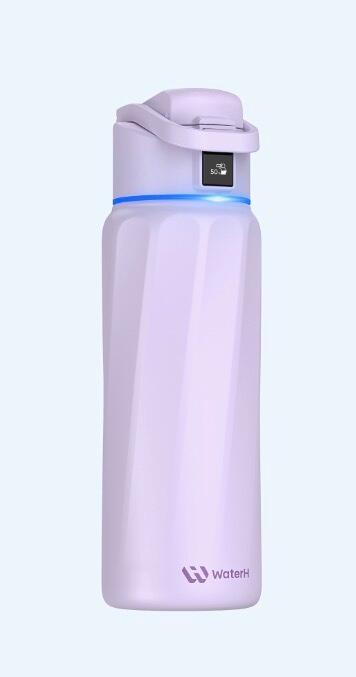
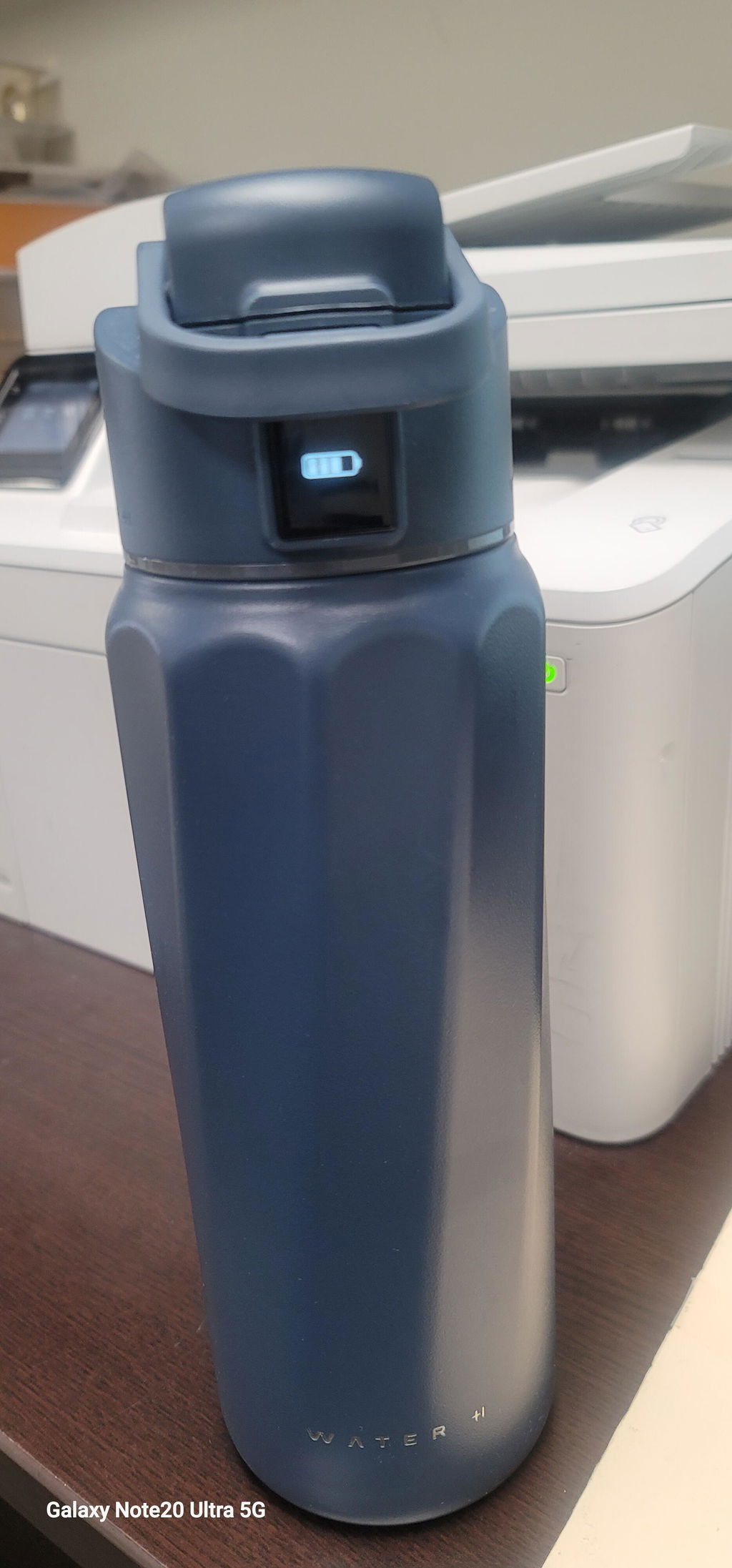
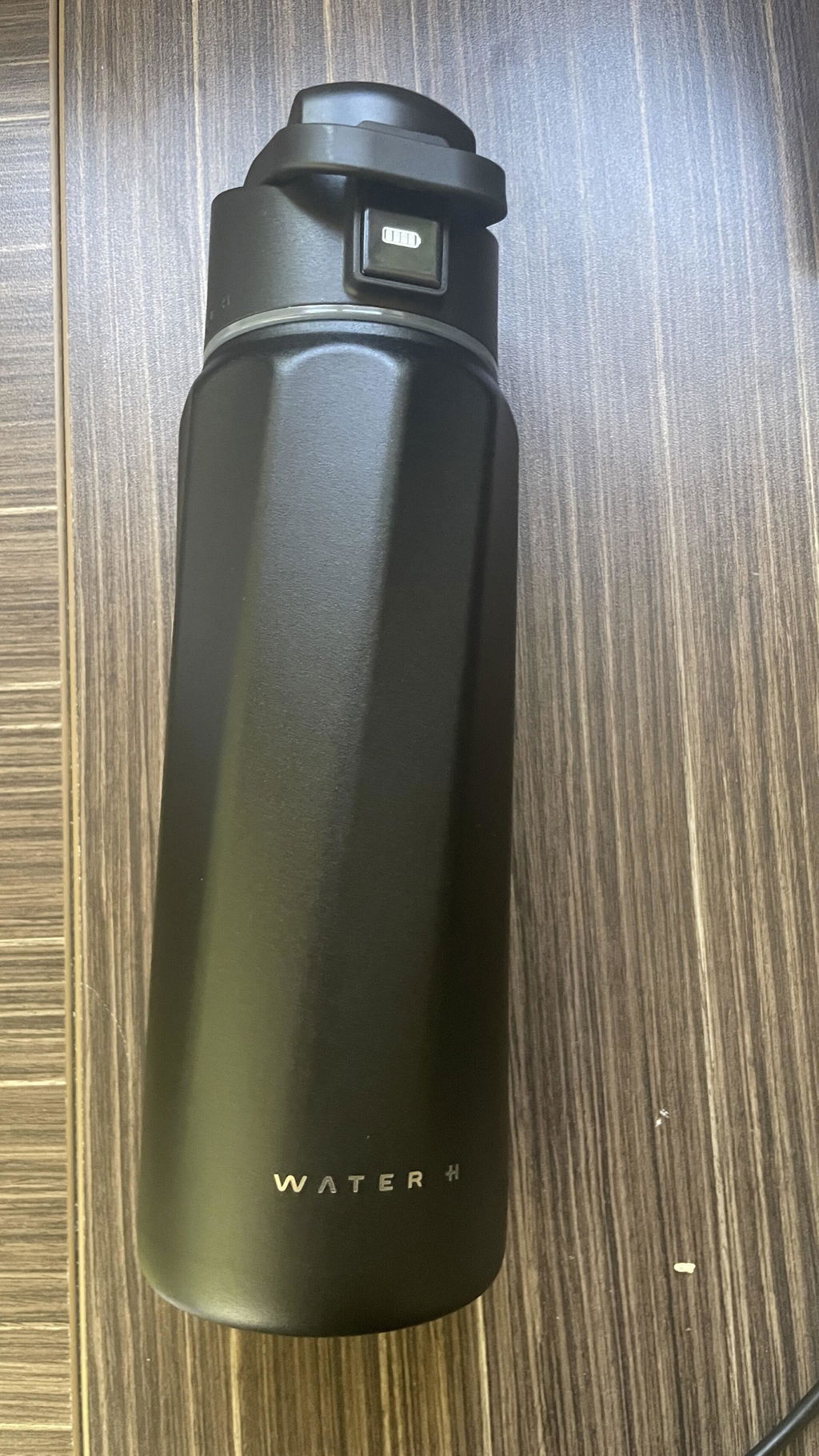
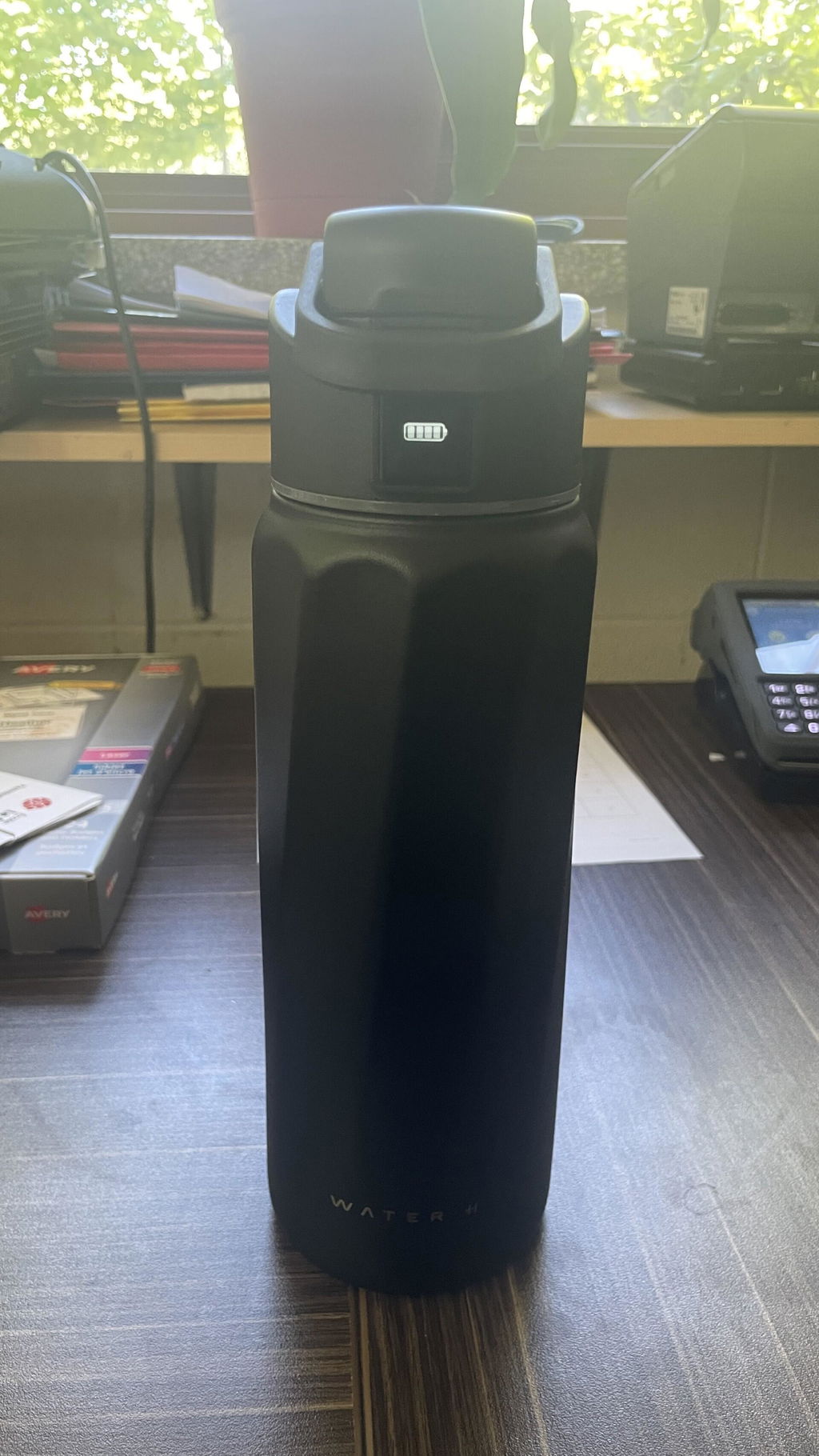
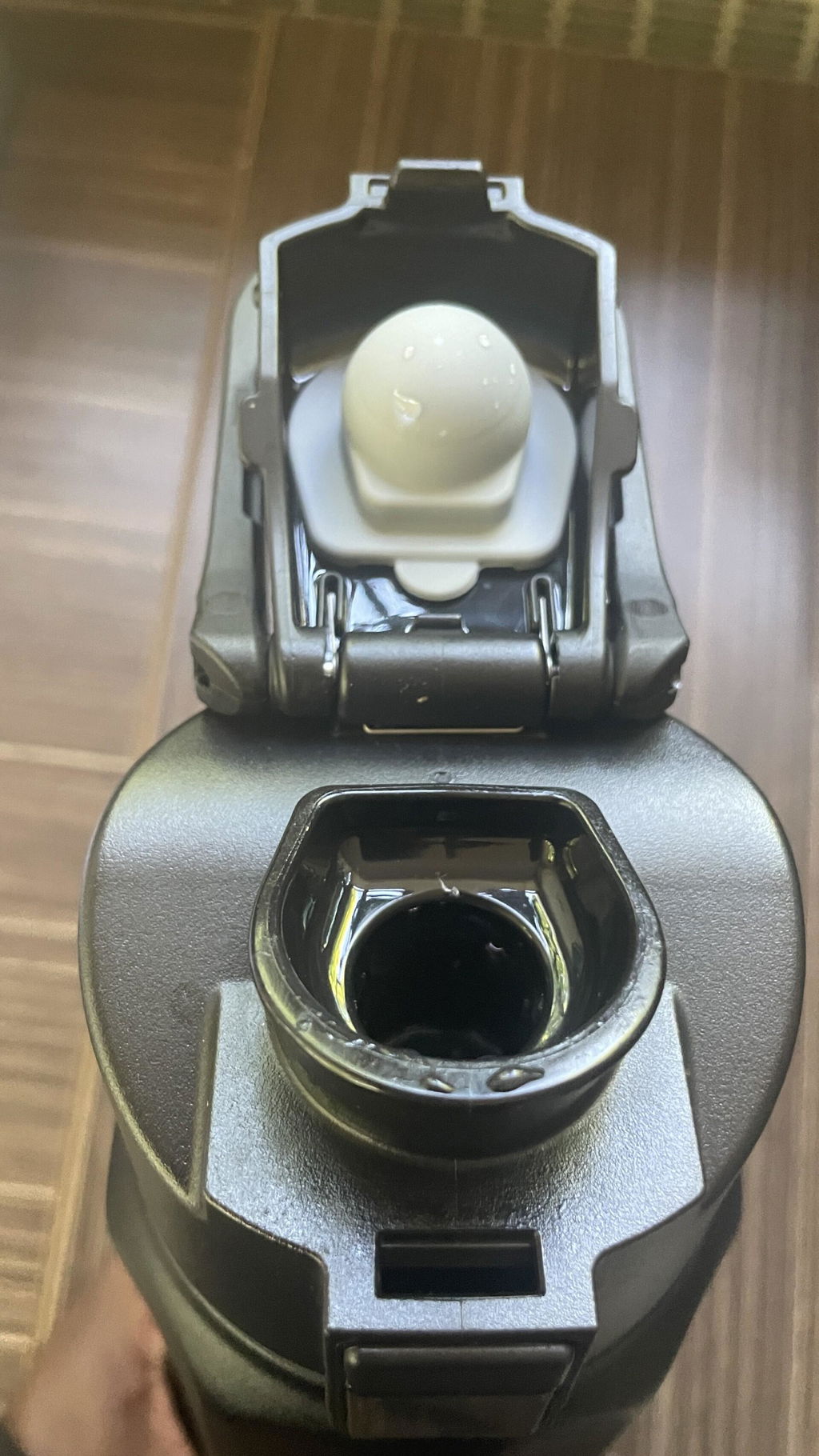
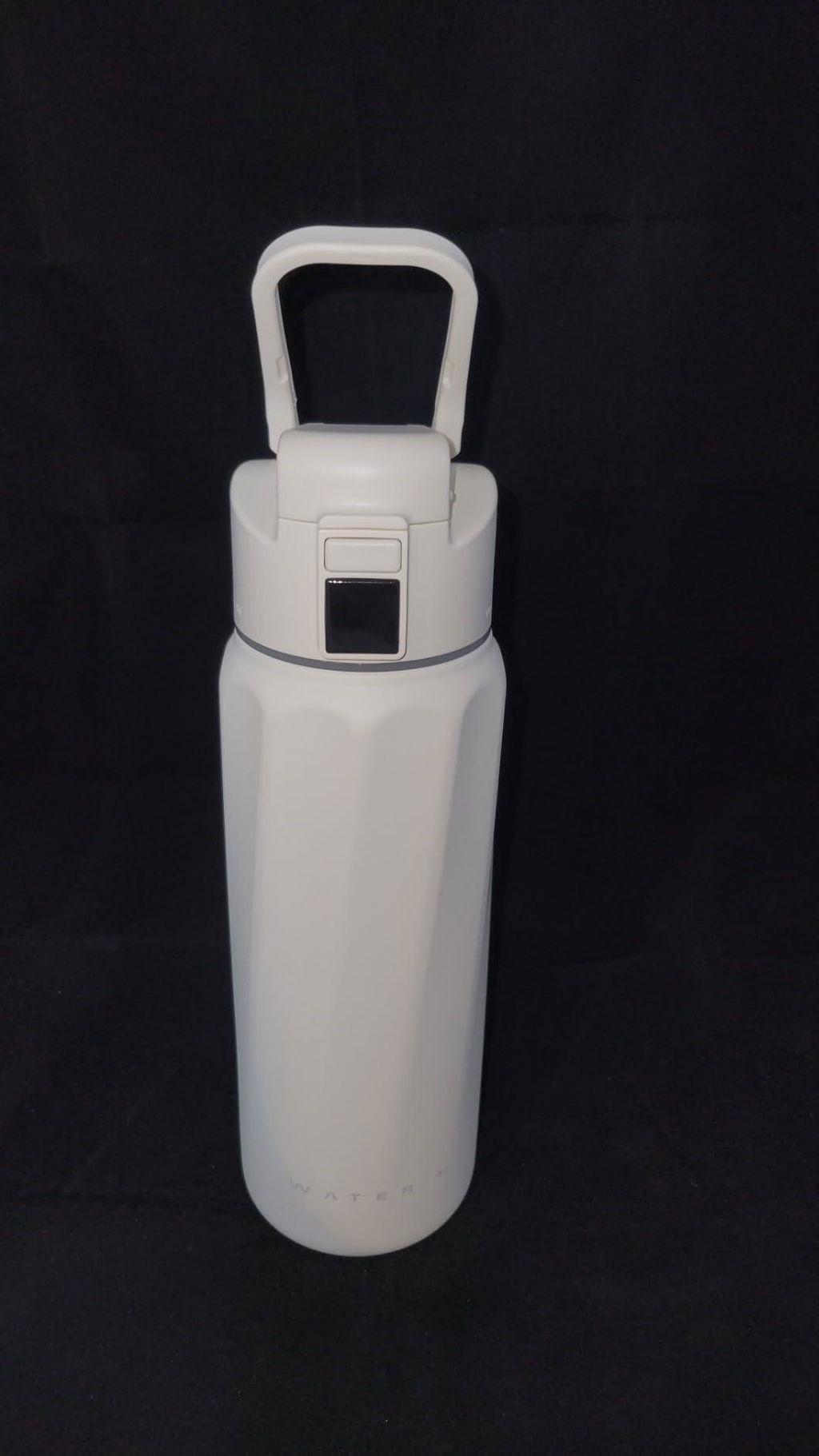
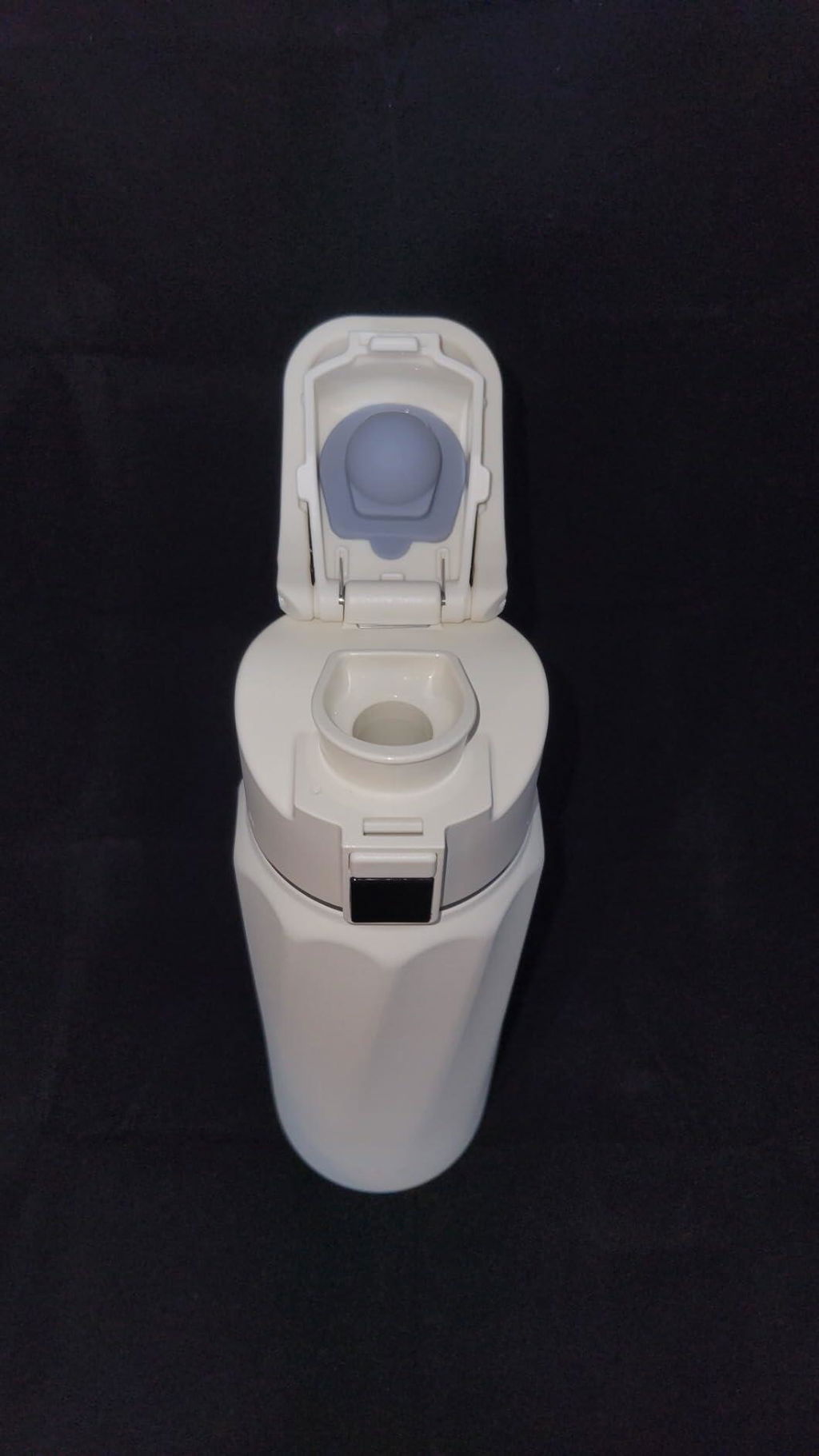
Technology can make healthy habits more engaging. The kids smart water bottle is designed to help children stay on track with their daily water intake.
Smart hydration reminders
The bottle can send gentle reminders throughout the day, encouraging kids to take regular sips. Instead of relying on parents to constantly remind them, the bottle helps reinforce the habit independently.
Real-time water tracking
Tracking daily intake allows kids to see how close they are to reaching their hydration goals. Visual progress often motivates children to finish their daily target.
Kid-friendly design
Children are more likely to use something they enjoy. The bottle’s design makes it easy to carry to school, sports practice, or family outings.
Safe material for everyday use
Parents can also feel confident knowing the bottle is made with BPA-free materials, making it suitable for daily hydration.
Step-by-step: how to create a kid`s hydration routine
Building a hydration routine doesn`t need to be complicated. These simple steps can help children drink enough water every day.
Step 1: Set a realistic daily goal
Start by determining how much water your child should drink based on their age and activity level. Avoid setting goals that feel overwhelming.
For example, instead of asking a child to drink several cups at once, divide the goal into smaller portions throughout the day.
Step 2: Establish drinking “anchor times”
Linking hydration to specific daily activities helps kids remember when to drink water.
Good hydration checkpoints include:
- After waking up.
- Before leaving for school.
- Mid-morning break.
- Lunchtime.
- After school.
- During sports or outdoor play.
- Before bedtime.
Over time, these moments become automatic hydration cues.
Step 3: Make progress visible
Kids are often motivated by progress and achievement. Seeing how much water they’ve consumed can encourage them to finish their daily goal.
Using a smart bottle that tracks intake makes this process simple and interactive.
Step 4: Pair water with existing habits
Hydration becomes easier when it’s tied to habits children already have.
Examples include:
- Drinking water after brushing teeth.
- Taking a sip before starting homework.
- Drinking water during snack time.
These connections reinforce consistency.
Step 5: Keep the bottle nearby
Convenience matters. Encourage kids to keep their water bottle:
- In the side pocket of their backpack.
- On their desk while doing homework.
- Beside them during sports activities.
If water is always within reach, kids are more likely to drink it.
FAQs
What age is appropriate for using a smart bottle?
Many children around elementary school age can easily use smart bottles, especially when they enjoy tracking progress and reaching goals.
How often should the bottle be cleaned?
Daily cleaning with warm water and mild soap helps keep the bottle hygienic.
Can a smart bottle help reduce sugary drink consumption?
Yes. When kids consistently drink water throughout the day, they are often less likely to crave soda or juice.
Conclusion
Healthy routines formed during childhood often carry into adulthood. Teaching kids to drink enough water each day can support their physical health, mental focus, and overall well-being for years to come.
By combining simple daily habits with helpful tools like the WaterH Kids Smart Bottle, parents can make hydration easier and more engaging. With the right routine in place, drinking water stops feeling like a chore—and becomes a natural part of a child’s healthy lifestyle.