
Do You Need More Water If You Sleep Less?
Sleep and hydration are two vital pillars of health that often go hand in hand. When you skimp on rest, your body’s ability to regulate fluids can take a hit—leaving you groggy, dry-mouthed, and craving water the next day. But does sleeping less actually mean you need more water? Let’s explore the connection between sleep deprivation and hydration—and what you can do to maintain balance.
How are sleep and hydration connected?

Sleep and hydration are closely linked biologically. During deep sleep, your body regulates hormones that manage fluid balance, particularly vasopressin, an antidiuretic hormone that helps your kidneys retain water. When you sleep well, vasopressin is released steadily throughout the night, minimizing fluid loss.
However, when you cut sleep short or stay up late, your body misses part of that hormone release cycle. As a result, you may urinate more often, wake up with a dry mouth, or feel thirsty even after drinking a normal amount of water.
On the flip side, dehydration can also disturb sleep quality. If your body is low on fluids, you’re more likely to experience:
- Dry airways can cause snoring or coughing.
- Muscle cramps are making it harder to stay comfortable.
- Restlessness or fatigue, which prevents deep, restorative sleep.
So, the cycle goes both ways: sleep supports hydration, and hydration supports better sleep.
Signs you might be dehydrated from lack of sleep
When you don’t get enough shut-eye, your body struggles to maintain proper hydration. Studies suggest that people who sleep fewer than six hours a night have higher levels of dehydration than those who sleep seven to eight hours. This happens because your body releases vasopressin during sleep, which helps retain water. If you cut your sleep short, you interrupt this natural hydration process.
Common signs you’re feeling the effects include:
- Dry mouth or chapped lips in the morning.
- Headaches or dizziness during the day.
- Dark-colored urine or less frequent urination.
- Fatigue and brain fog beyond typical tiredness.
- Muscle cramps or stiffness.
If these symptoms sound familiar, your lack of rest may be draining more than just your energy—it’s also sapping your body’s hydration levels.
How much water do you really need if you sleep less?

While there’s no exact formula that says “X hours of lost sleep = Y extra cups of water,” most experts agree that sleep-deprived people should slightly increase their fluid intake.
On average:
- Women should aim for about 9–11 cups (2.1–2.6 liters) of fluids per day.
- Men should target 12–15 cups (2.8–3.5 liters) per day.
If you’ve been getting less than 6 hours of sleep, consider adding 1-2 cups (250-500ml) of water to your daily total. This small increase helps counteract the fluid imbalance caused by reduced vasopressin production and increased daytime fatigue.
Pro tip: Don’t just chug a liter all at once. Hydrate gradually throughout the day to avoid bloating or frequent bathroom breaks.
Best hydration strategies for sleep-deprived individuals
If you’ve had a late night or pulled an all-nighter, your body needs smart hydration support. Here’s how to rehydrate efficiently:
-
Start your morning with a glass of water.
After hours without fluids, your body wakes up mildly dehydrated—especially if you’ve had a short night’s rest. -
Add electrolytes if you’re feeling sluggish.
A pinch of sea salt, a squeeze of lemon, or a low-sugar electrolyte drink can help rebalance sodium and potassium lost through fatigue or caffeine overuse. -
Limit caffeine after noon.
While coffee might feel like your best friend after a sleepless night, too much caffeine is a mild diuretic and can worsen dehydration. -
Eat hydrating foods.
Include water-rich fruits and vegetables like cucumbers, oranges, and watermelon. They not only hydrate but also provide essential vitamins for energy. -
Keep a refillable bottle handy.
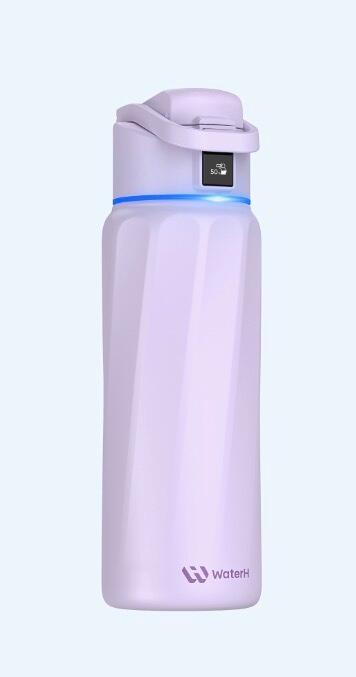
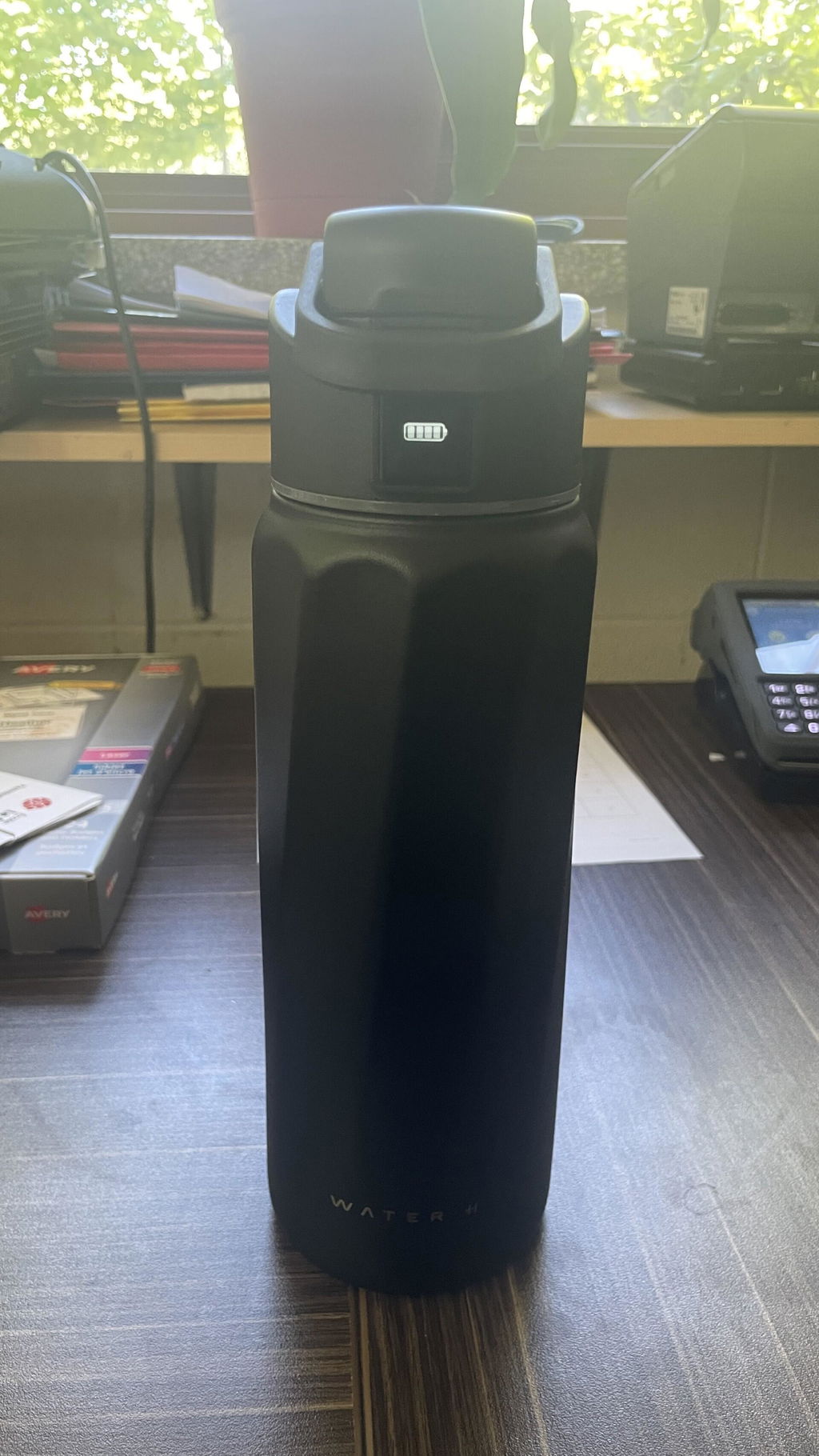
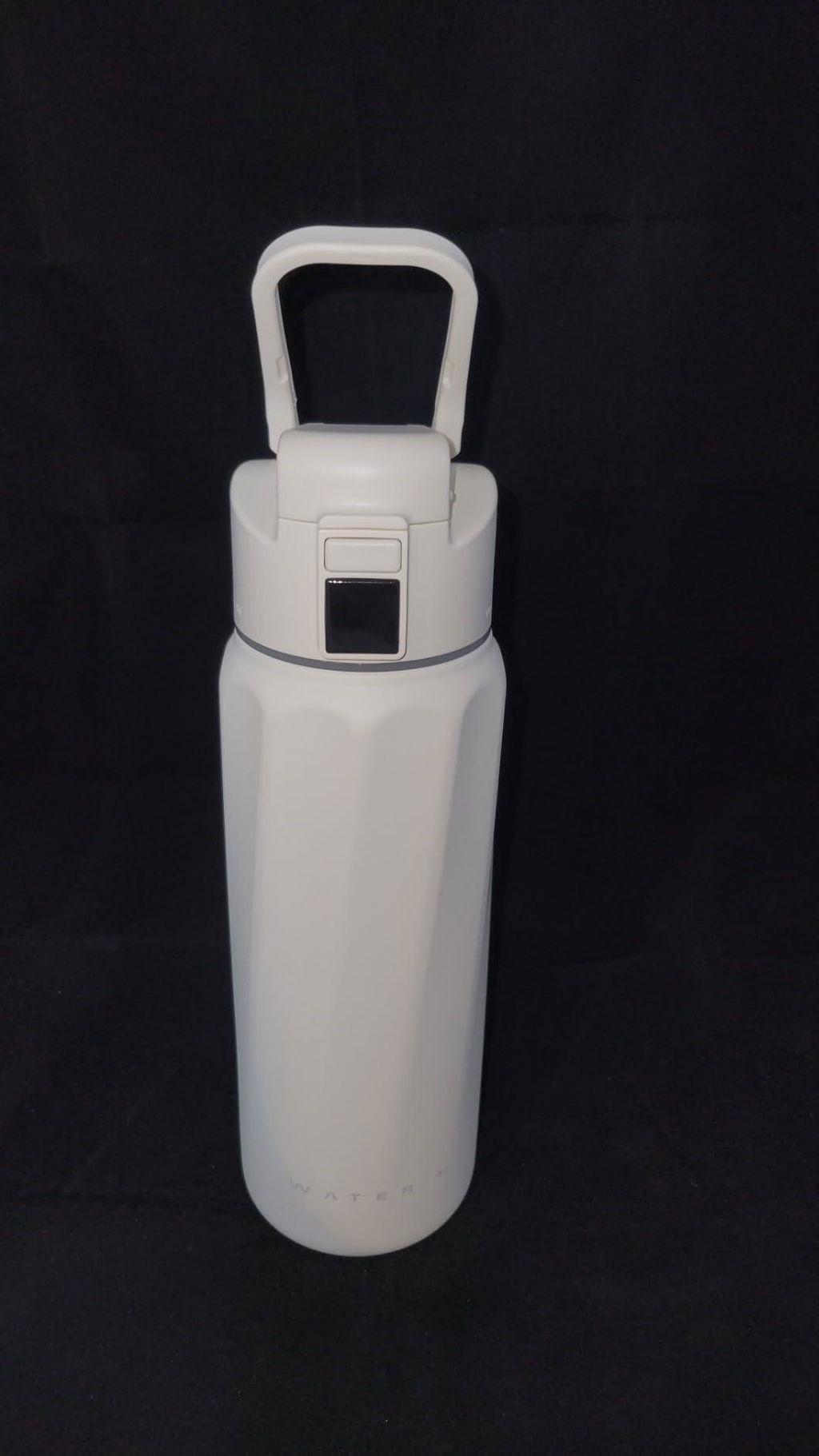
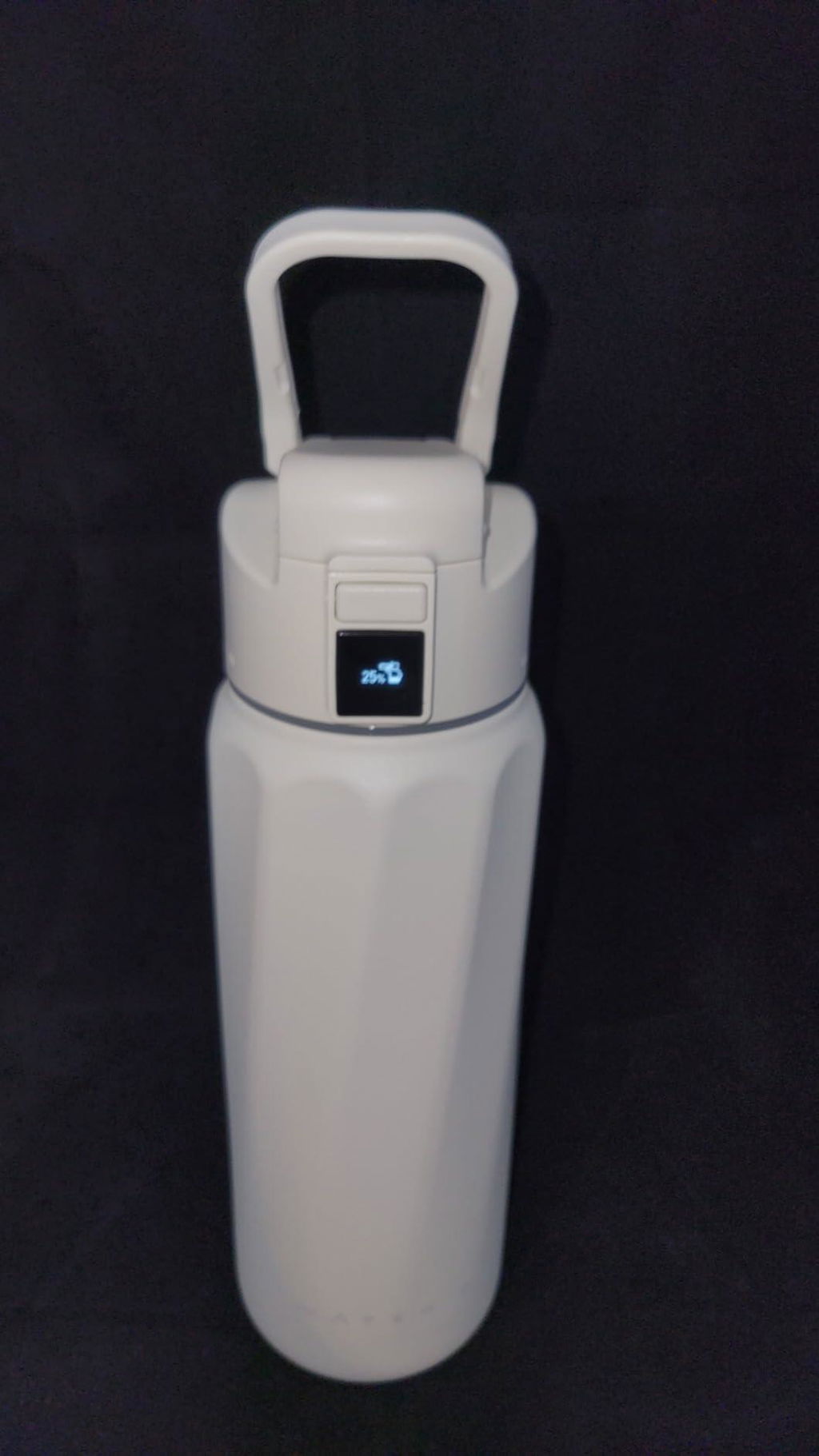
Using a smart water bottle like the WaterH can remind you to drink regularly—even when you’re distracted or tired.
How hydration affects sleep quality
Hydration and sleep are a two-way street. Just as poor sleep can lead to dehydration, dehydration can also reduce sleep quality.
When you’re not properly hydrated:
- You may experience dry mouth and nasal passages, leading to snoring or breathing issues.
- Leg cramps or muscle spasms can interrupt rest.
- Body temperature regulation becomes more difficult, making it harder to stay comfortable through the night.
Drinking enough water during the day (but not too close to bedtime) helps your body maintain optimal conditions for deep, restorative sleep.
Practical tips for a healthy sleep-hydration balance

- Hydrate consistently throughout the day. Don’t wait until night to “catch up” on water.
- Avoid large amounts of fluid within an hour of bedtime. This helps you sleep through the night without waking up to use the bathroom.
- Prioritize 7–9 hours of rest. No amount of water can replace the restorative power of quality sleep.
- Listen to your body. If you feel thirsty, fatigued, or foggy, it’s often your body’s way of saying it needs both hydration and rest.
FAQs
Why do I feel so thirsty after an all-nighter?
Skipping sleep disrupts vasopressin release, the hormone responsible for water retention. As a result, your body loses more water through urination and respiration, making you feel thirstier the next day.
Can drinking more water make up for lost sleep?
Unfortunately, no. Hydration can help relieve some symptoms—like headaches or fatigue—but it can’t restore the physical and cognitive repair that happens during sleep. Think of water as a support, not a substitute.
Conclusion
When you sleep less, your body’s ability to stay hydrated weakens—so yes, you may need a little more water to feel your best. The key is balance: maintaining steady hydration throughout the day while prioritizing adequate rest whenever possible.
Hydration helps your body function, but sleep restores it. The next time you’re tempted to burn the midnight oil, remember—both water and rest are essential to waking up refreshed, focused, and ready to take on the day.