
7 Signs Your Child Isn’t Drinking Enough Water
As parents, we’re tuned into our kids’ needs—when they’re hungry, tired, or upset. But one crucial signal can sometimes slip through the cracks: hydration. In the whirlwind of school, playdates, and screen time, it’s surprisingly easy for kids to not drink enough water.
Dehydration isn't just about being thirsty; it can affect your child's mood, energy, and even their ability to learn. So, how can you tell if your child is sipping enough? Let’s dive in.
How much water should kids drink each day?

Water is essential for every child’s growth, energy, and overall well-being. Yet, many parents underestimate how much hydration their kids truly need. The amount varies by age, activity level, and climate, but here’s a general guideline of children water-drinking based on Johns Hopkins medicine researches:
- Toddlers (1–3 years): About 4 cups (1 liter) per day.
- Children (4–8 years): Around 5 cups (1.2 liters) per day.
- Older kids (9–13 years): 7–8 cups (1.6–1.9 liters) per day.
- Teens (14–18 years): 8–11 cups (1.9–2.6 liters) per day.
Remember, this total includes water from all sources—plain water, milk, and even foods with high water content (like fruits and vegetables). However, plain water should still make up the majority of their daily intake.
7 clear signs your child isn`t drinking enough water
Kids might not always tell you they're thirsty, so their bodies send other signals. Keep an eye out for these red flags:
- Dark yellow urine: This is one of the most reliable signs. If their first morning pee is dark, that’s normal, but if it stays dark yellow or amber throughout the day, it’s a clear sign they need to drink up.
- Fatigue or lethargy: Is your usually energetic child suddenly sluggish, cranky, or complaining of being tired for no apparent reason? Water is essential for converting food into energy, and even mild dehydration can cause a major energy crash.
- Dry lips, skin, or mouth: Check their lips. Are they chapped or cracked even with balm? Is their mouth dry or sticky? These are direct indicators that their body are lacking the fluids they need to maintain moisture.
- Fewer trips to the bathroom: A well-hydrated child should be urinating every few hours (about 4-6 times a day). If you notice they’re not using the bathroom much during the day, it’s a strong clue that fluid intake is too low.
- Headaches or trouble concentrating: The brain is highly sensitive to hydration status. Dehydration can cause the brain to temporarily shrink, pulling away from the inside of the skull and causing a headache. This can also lead to brain fog, making it hard for your child to focus in school.
- Bad breath: Saliva has antibacterial properties. When your child is dehydrated, they produce less saliva, creating a perfect environment for bacteria to grow on the tongue, teeth, and gums, leading to stinky breath.
- Constipation: Water helps keep things moving in the digestive system. Without enough of it, the colon will absorb water from the waste, resulting in hard, dry stools that are difficult to pass.
Why do kids often not drink enough water?

It’s not that they’re being difficult (well, not always!). There are real reasons:
- They’re Busy: When kids are engrossed in play or schoolwork, thirst is often the first thing they ignore.
- They Prefer Flavor: Plain water can seem boring compared to sugary juices and sodas.
- It’s Not a Habit: For some kids, drinking water just isn’t part of their daily routine unless prompted.
How to encourage better hydration habits?

The good news is that building healthy hydration habits is easier than you think!
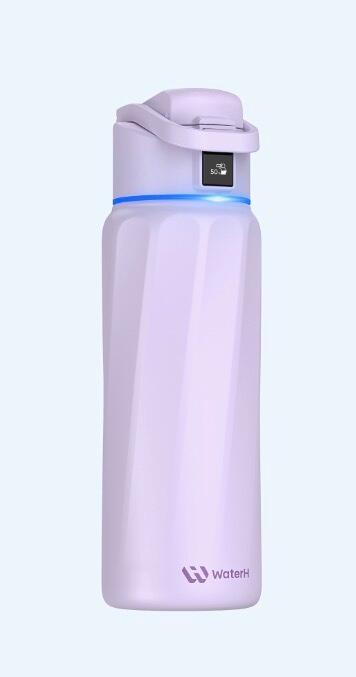
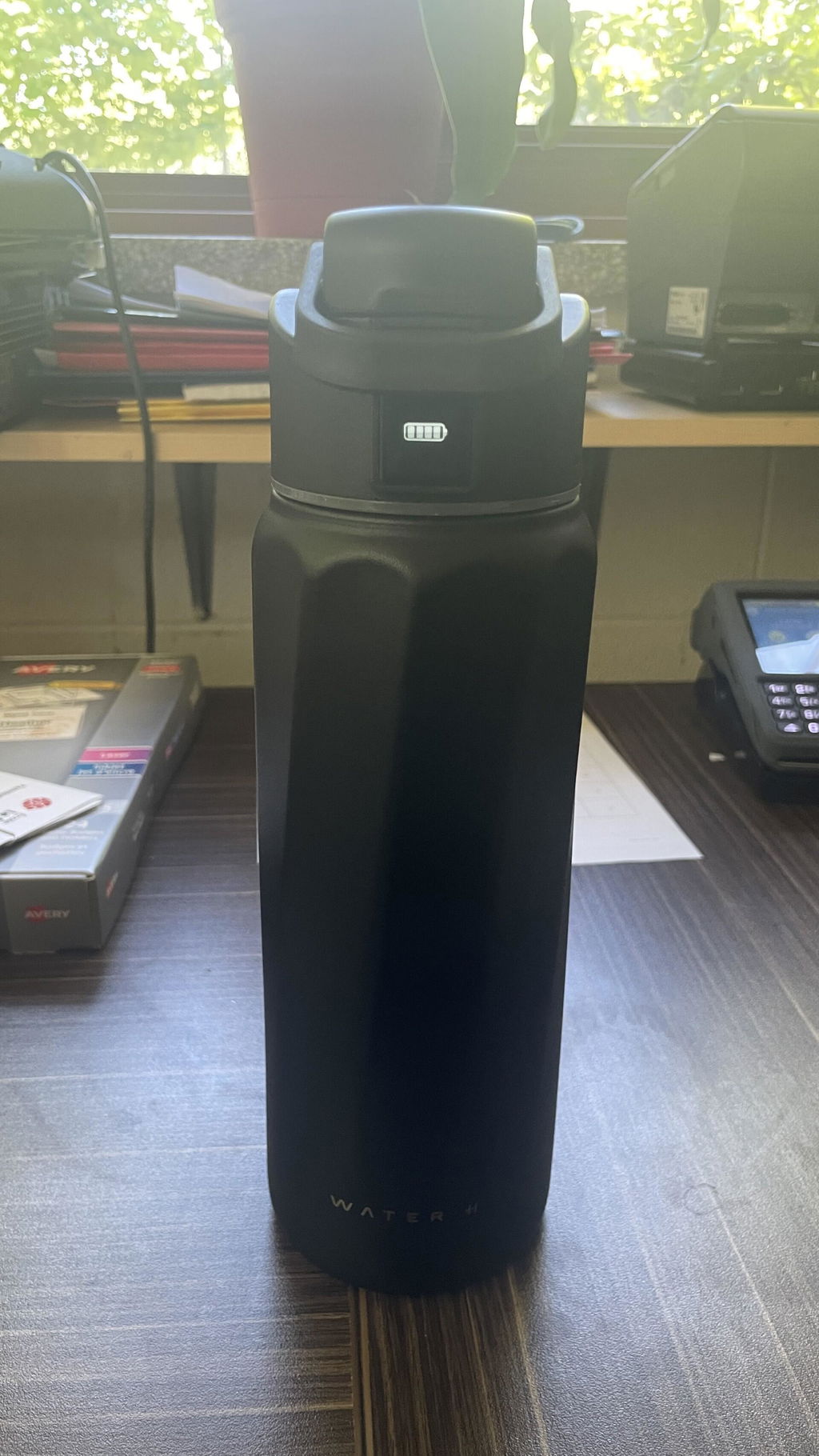
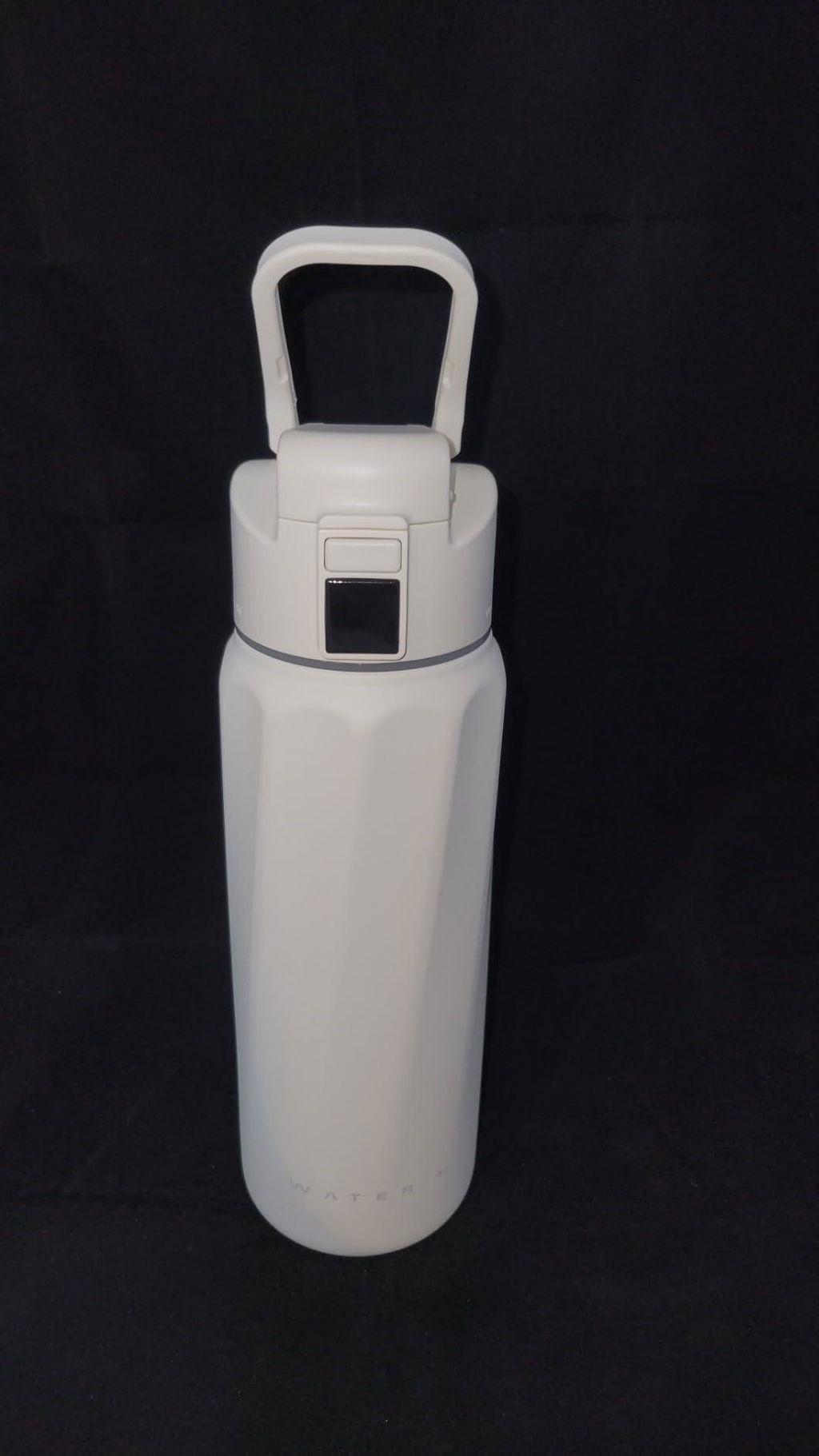
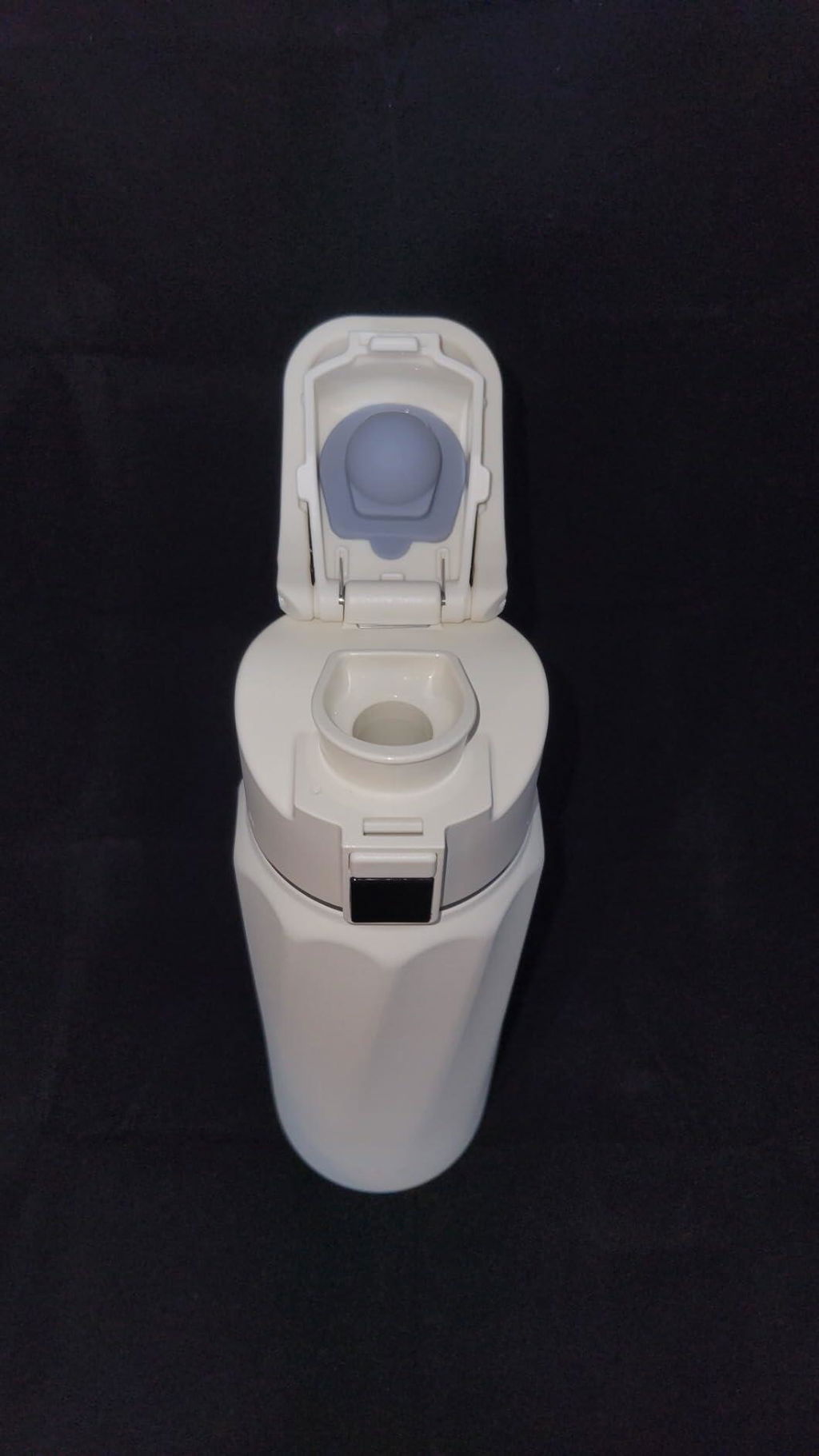
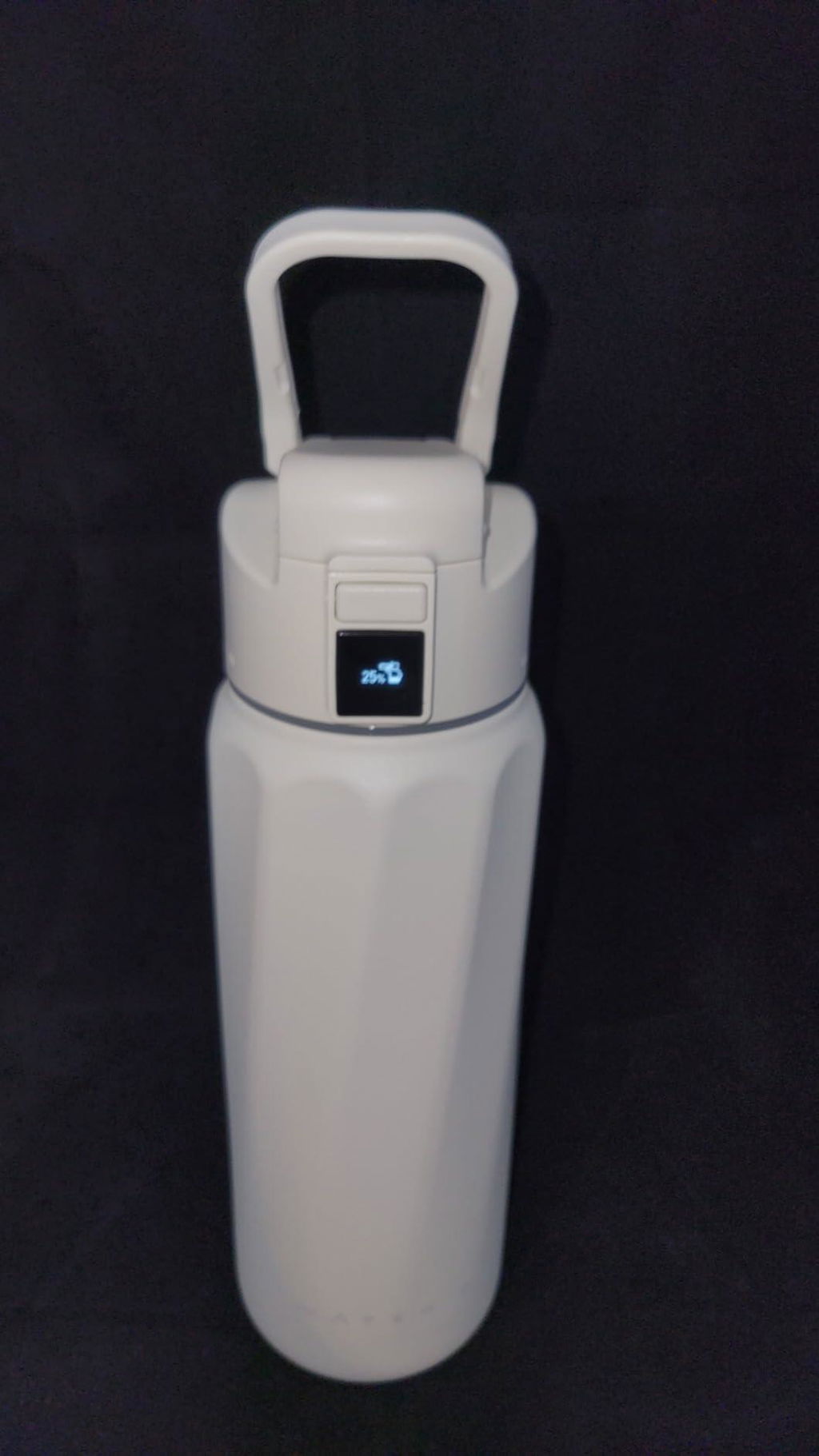
- Make it fun & accessible: Get them a Kids Smart Water bottle with their favorite character. Keep it on the kitchen counter or in their backpack so it’s always within reach.
- Infuse with flavor: Add natural flavor by dropping in some berries, orange slices, cucumber, or a sprig of mint.
- Lead by example: Drink water throughout the day yourself. Make a point of saying, "I need a water break!" and they’ll be more likely to follow suit.
- Incorporate water-rich foods: Watermelon, strawberries, cucumbers, celery, and oranges are delicious ways to boost fluid intake.
- Create a routine: Tie drinking water to existing habits—a glass when they wake up, one with every meal, and one before brushing their teeth at night.
- Use technology: Set gentle reminders on a smartwatch or phone, or use a fun water-tracking app with goals and rewards.
Conclusion
Staying hydrated is a simple yet powerful pillar of your child’s health. By recognizing the subtle signs of dehydration and making water an easy, appealing choice, you can help boost their energy, mood, and concentration. Start small, be consistent, and soon, drinking enough water will become second nature for your entire family.
Here’s to happy, hydrated kids!