
The Role of Water in Digestion and Nutrient Absorption
Water is often praised for keeping us hydrated, energized, and refreshed—but its role goes far beyond quenching thirst. Behind the scenes, water plays a foundational role in digestion and nutrient absorption, quietly supporting nearly every step of how our bodies process food and turn it into usable energy.
Yet many people experiencing bloating, constipation, fatigue, or poor nutrient absorption rarely think to ask a simple question: Am I drinking enough water—and is my hydration consistent throughout the day?
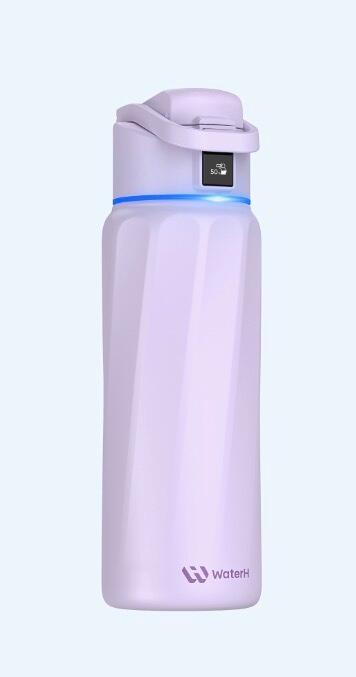
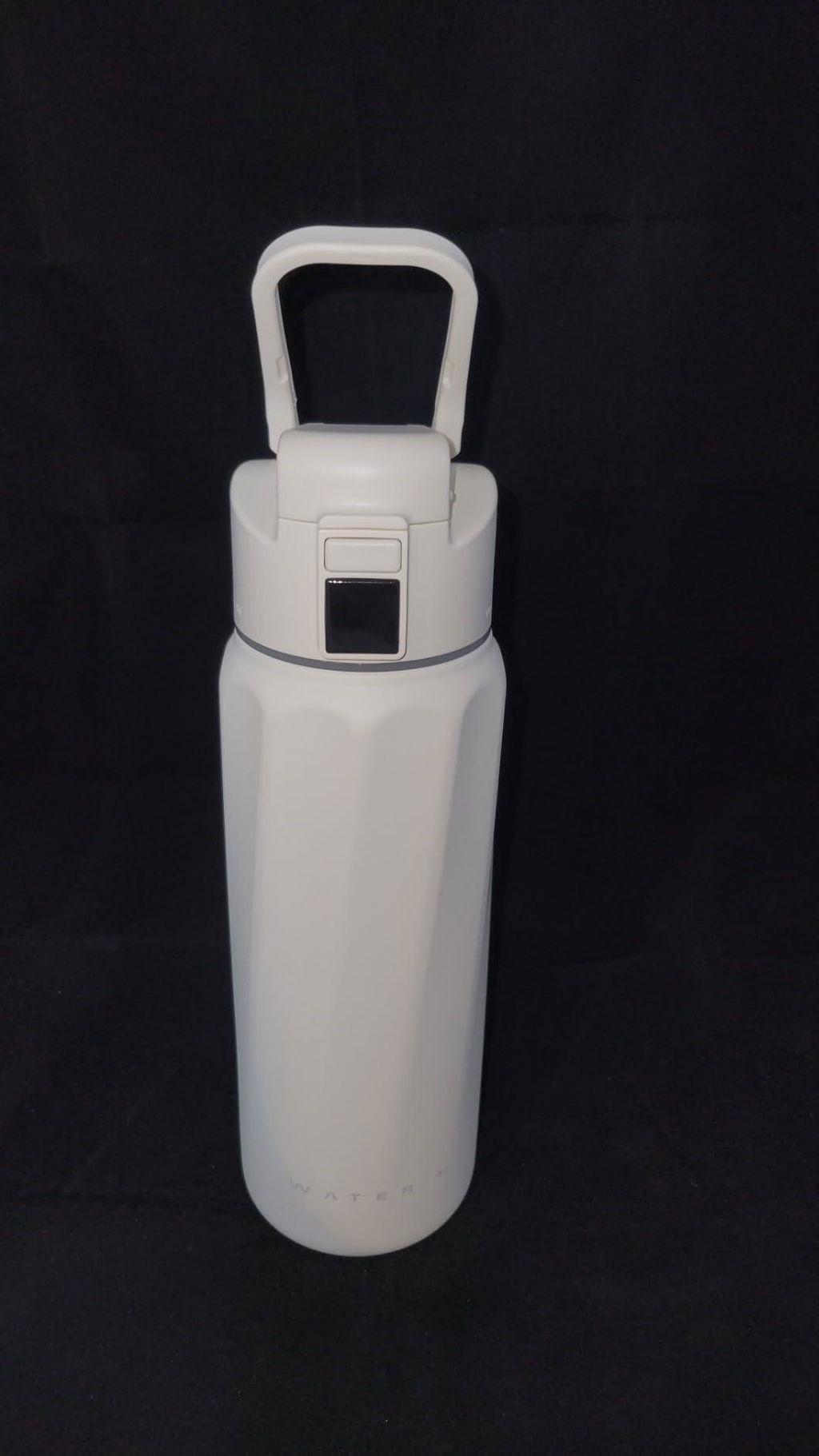
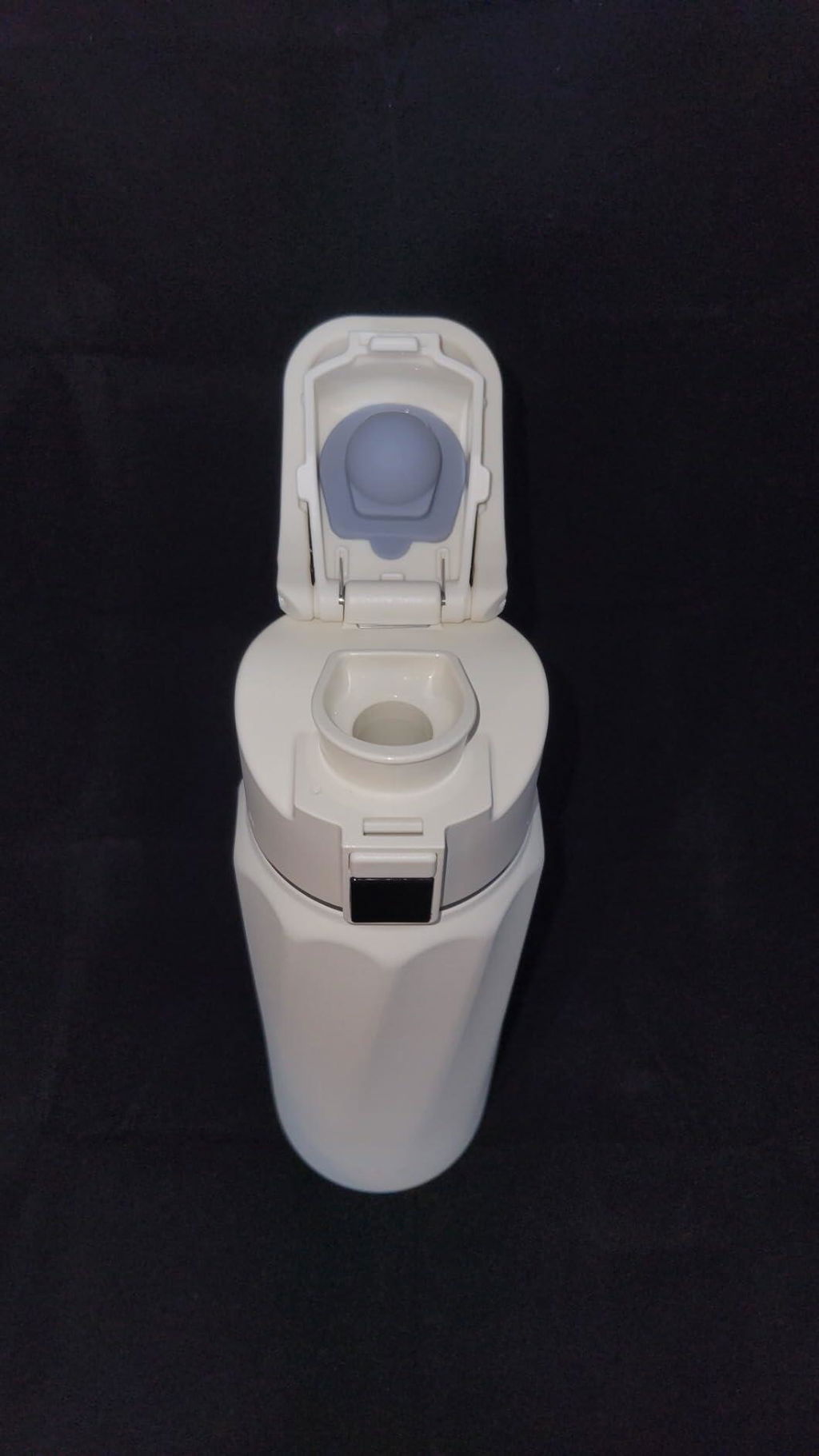
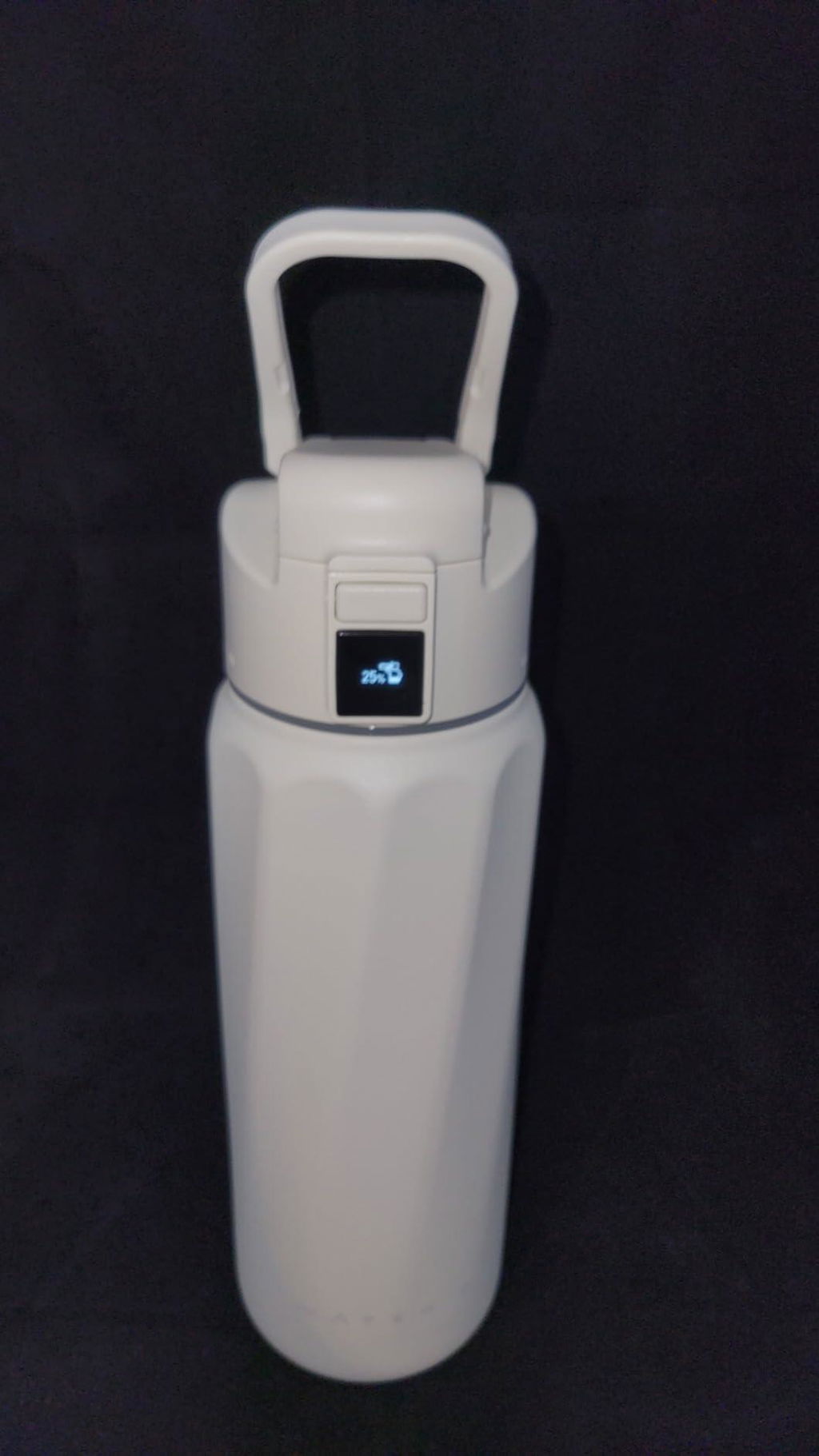
In this article, we’ll explore how water supports digestion from the very first bite to the final stages of nutrient absorption, how dehydration disrupts gut health, and why smart, consistent hydration—something WaterH is designed to support—matters more than most people realize.
How digestion works: a quick overview

Digestion is a complex, multi-stage process that converts food into nutrients the body can absorb and use. It involves mechanical actions (chewing and muscle contractions), chemical reactions (enzymes and acids), and transport systems (blood and lymph).
The digestive journey includes four main phases:
- Ingestion – Eating and drinking.
- Digestion – Breaking food into smaller molecules.
- Absorption – Moving nutrients into the bloodstream.
- Elimination – Removing waste.
Water is involved in every single stage of this process. Without adequate hydration, digestion slows, nutrient absorption becomes less efficient, and digestive discomfort becomes more common.
The role of water at each stage of digestion
1. Water and oral digestion
Digestion begins in the mouth, and water is already at work before food reaches the stomach.
Saliva, which is composed largely of water, contains enzymes like amylase that start breaking down carbohydrates as you chew. Adequate hydration ensures proper saliva production, which helps:
- Soften food for easier swallowing.
- Initiate chemical digestion.
- Reduce strain on the esophagus.
When you’re dehydrated, saliva production drops. This can lead to dry mouth, difficulty swallowing, and less efficient digestion right from the start.
2. Water in the stomach
Once food reaches the stomach, water helps facilitate the transformation of food into chyme, a semi-liquid mixture essential for nutrient processing.
Contrary to popular myths, drinking water does not dilute stomach acid or impair digestion. Instead, water:
- Helps maintain optimal gastric acid balance.
- Supports enzyme activity.
- Assists in breaking down food particles.
Insufficient hydration can slow gastric emptying, leading to bloating, heaviness, and discomfort after meals.
3. Water in the Small Intestine
The small intestine is where most nutrient absorption occurs—and water is critical here.
Water helps dissolve nutrients so they can pass through the intestinal lining and enter the bloodstream. This includes:
- Carbohydrates are broken down into glucose.
- Proteins are converted into amino acids.
- Vitamins and minerals are prepared for absorption.
Digestive enzymes and bile also rely on adequate water levels to function effectively. Without enough water, nutrient transport becomes less efficient, even if your diet is otherwise healthy.
4. Water in the large intestine (Colon)
In the colon, water plays a key role in waste processing and gut health.
As food residue moves through the large intestine:
- Water is reabsorbed into the body.
- Stool is softened for easier elimination.
- Beneficial gut bacteria are supported.
When water intake is insufficient, the colon absorbs too much water from waste, leading to hard stools and constipation—one of the most common digestive complaints worldwide.
Water`s role in nutrient absorption

Absorption of water-soluble nutrients
Water-soluble vitamins and minerals depend directly on hydration for absorption and transport. These include:
- Vitamin C.
- B-complex vitamins (B1, B2, B6, B12, folate).
- Electrolytes like sodium, potassium, and magnesium.
These nutrients dissolve in water and travel through the bloodstream. Chronic dehydration can reduce their bioavailability, even if intake levels appear adequate on paper.
Fat-soluble nutrients and water balance
Fat-soluble vitamins—A, D, E, and K—require dietary fat and bile for absorption. While water doesn’t dissolve these vitamins directly, it still plays a supporting role by:
- Aiding bile production and flow.
- Supporting intestinal motility.
- Maintaining overall digestive efficiency.
Proper hydration ensures the digestive system works smoothly enough to absorb fat-soluble nutrients effectively.
Protein and carbohydrate metabolism
Water is essential for transporting amino acids and glucose into cells after they are absorbed. Adequate hydration supports:
- Stable blood sugar levels.
- Efficient energy production.
- Muscle recovery and tissue repair.
Dehydration can slow these metabolic processes, contributing to fatigue, brain fog, and reduced physical performance.
How dehydration impairs digestion and absorption

Even mild dehydration can disrupt digestion more than most people realize. Common digestive issues linked to insufficient water intake include:
- Constipation.
- Bloating and gas.
- Acid reflux.
- Sluggish digestion.
- Reduced appetite.
Over time, chronic dehydration may also impair nutrient absorption, leading to low energy levels and weakened immune function.
One challenge is that thirst isn’t always a reliable signal. Many people are mildly dehydrated without feeling noticeably thirsty—especially during busy workdays or colder months.
Water Quality and Digestive Health
Hydration isn’t just about how much water you drink—it’s also about what kind of water you’re drinking.
Clean, high-quality water supports digestive health by avoiding substances that may irritate the gut or disrupt the microbiome. Contaminants such as:
- Chlorine.
- Heavy metals.
- Microplastics.
have been linked to digestive discomfort and gut imbalance in sensitive individuals. Choosing purified or filtered water can be a gentle yet meaningful step toward supporting long-term digestive wellness.
How much water do you need for optimal digestion?

There’s no one-size-fits-all answer, but general guidelines suggest:
- Women: ~2.7 liters (91 oz) per day.
- Men: ~3.7 liters (125 oz) per day.
However, water needs vary based on:
- Diet (high-fiber or high-protein diets require more water).
- Physical activity.
- Climate.
- Age and health status.
Just as important as quantity is consistency. Spacing water intake throughout the day supports digestion far better than drinking large amounts all at once.
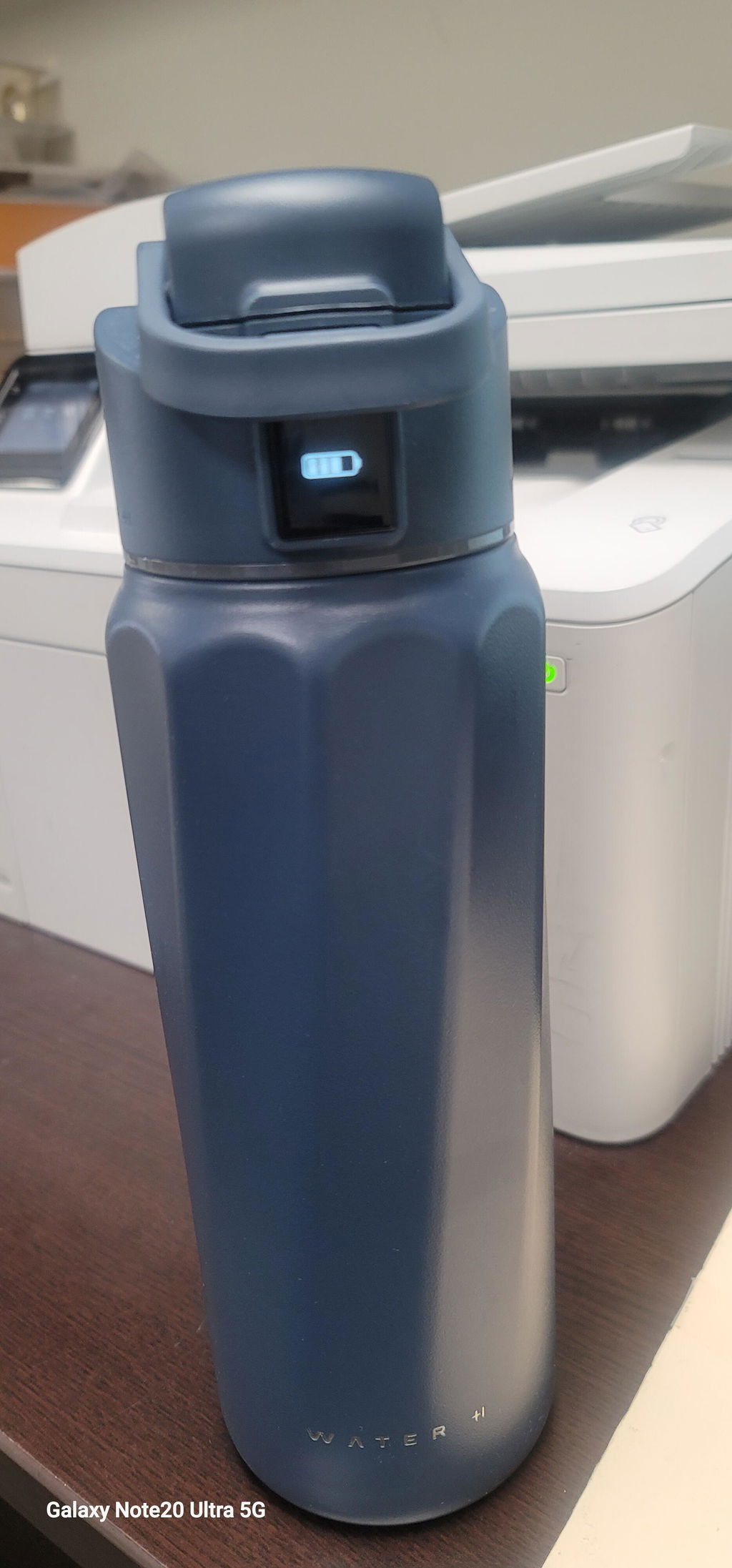
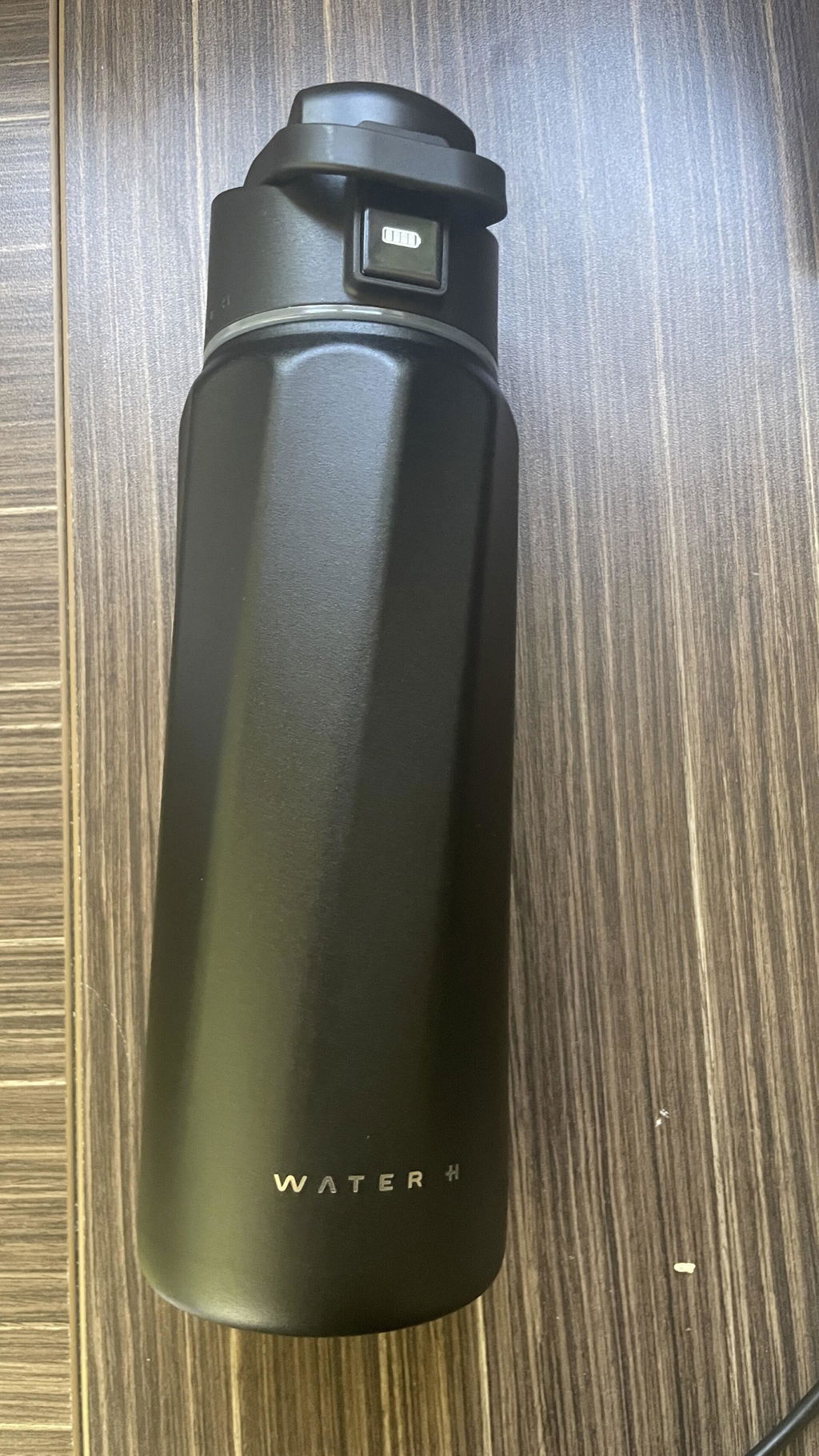
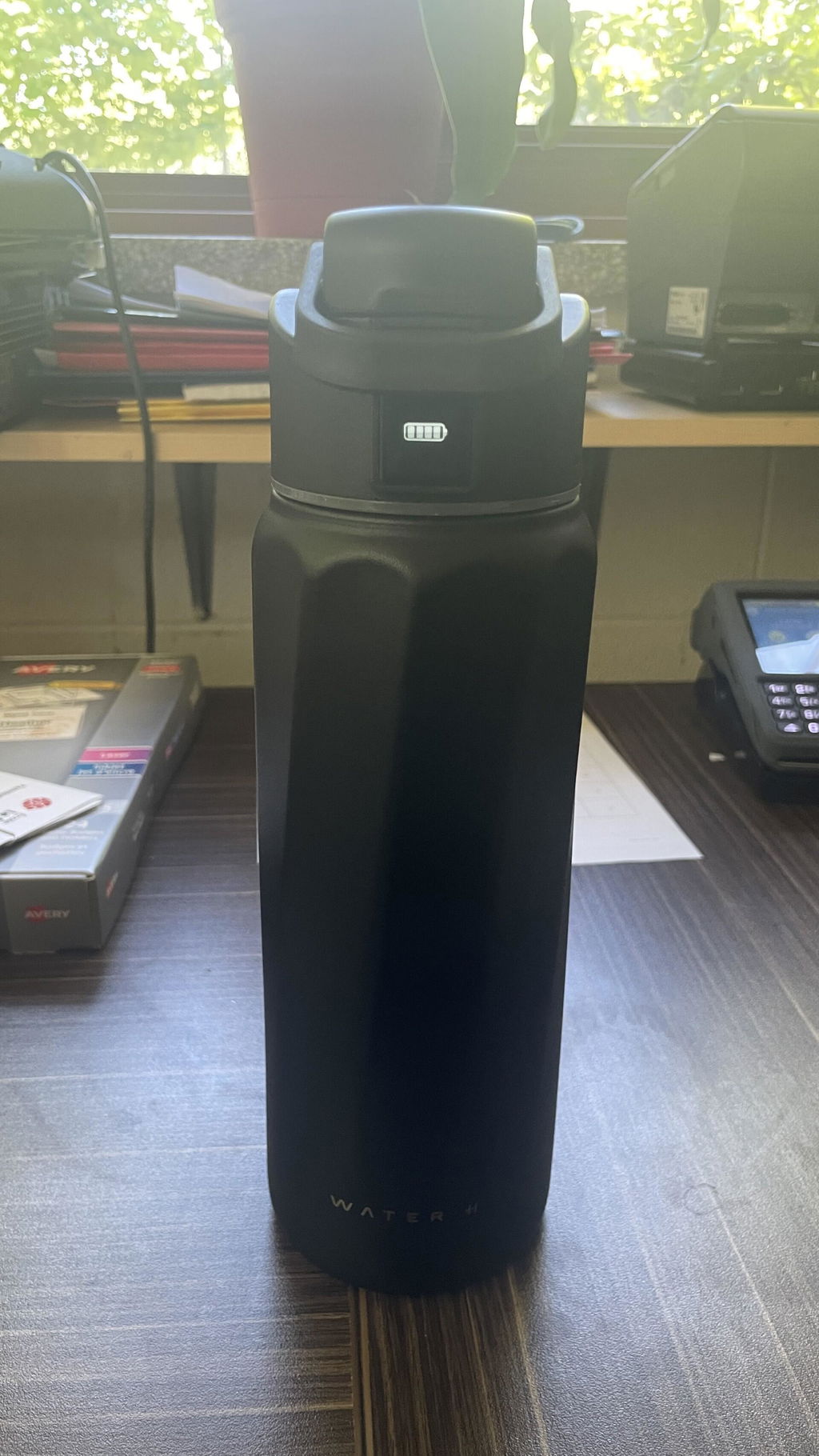
Smart hydration tools like drink bottle reminder can help individuals stay aware of their intake patterns and build healthier hydration habits—something many people struggle with unintentionally.
Special considerations for digestive conditions
Digestive conditions
Individuals with IBS, acid reflux, or chronic constipation may benefit significantly from improved hydration habits. Water helps regulate bowel movements and reduce strain on the digestive tract.
Older adults
As we age, thirst signals weaken, increasing the risk of dehydration. Maintaining hydration awareness is especially important for digestion and nutrient absorption in older adults.
Children
Children need consistent hydration to support growth, digestion, and nutrient utilization. Making hydration engaging and visible can help establish lifelong healthy habits.
Conclusion
Water is not just a background player in digestion—it’s a central, active participant. From saliva production to nutrient absorption and waste elimination, hydration affects how efficiently your body processes the food you eat.
Yet in busy modern life, many people struggle to stay consistently hydrated, unaware of the digestive consequences. Paying attention to hydration habits—and using smart tools like WaterH to stay mindful—can make a meaningful difference in digestive comfort, nutrient absorption, and overall well-being.
When it comes to digestion, water isn’t optional. It’s essential.