
Morning vs. Evening Hydration: Which Matters More?
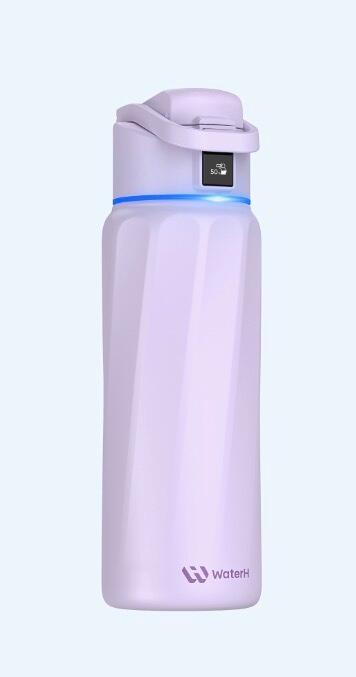
Is morning hydration truly more important than evening hydration—or is that just another wellness myth? And how can modern hydration habits, supported by smart bottles like WaterH, help people stay consistently hydrated without overthinking it?
Let’s break down the science, compare morning and evening hydration head-to-head, and uncover the most effective hydration strategy for real life.
Why hydration timing matters more than you think?

Water makes up about 60% of the human body and is involved in nearly every physiological process—temperature regulation, nutrient transport, digestion, brain function, and waste removal. While daily intake recommendations are widely discussed, the timing of hydration affects how efficiently your body uses water throughout the day.
Your body’s fluid balance is influenced by:
- Circadian rhythm (your internal body clock).
- Hormonal fluctuations (such as cortisol and aldosterone).
- Physical activity levels.
- Sleep patterns and overnight water loss.
In short, your hydration needs are not static across the day. That’s why understanding morning versus evening hydration can help optimize energy, digestion, recovery, and sleep quality.
Morning hydration: setting the foundation for the day
Rehydrating after overnight water loss
Even though you’re not actively moving during sleep, your body continues to lose water through:
- Breathing.
- Perspiration.
- Cellular metabolic processes.
By morning, most people wake up mildly dehydrated. This doesn’t mean dehydration is dangerous—but it does mean your body is operating below its optimal hydration level.
Drinking water soon after waking helps:
- Restore fluid balance.
- Increase blood volume slightly.
- Support early-morning organ function.
This is one reason morning hydration is often emphasized in health guidance.
Supporting digestion and gut motility
Water plays a key role in digestive health. Drinking water in the morning—especially before breakfast—can help:
- Activate the digestive system.
- Stimulate bowel movements.
- Support the breakdown and absorption of nutrients.
For individuals who experience constipation or sluggish digestion, morning hydration can be particularly beneficial. It helps “wake up” the gastrointestinal tract after hours of inactivity.
Enhancing Mental Clarity and Energy Levels
Even mild dehydration has been linked to:
- Reduced concentration.
- Increased feelings of fatigue.
- Headaches.
- Mood changes.
Since dehydration accumulates overnight, not rehydrating in the morning may contribute to that groggy, low-energy feeling many people experience.
A glass or two of water shortly after waking can support:
- Cognitive performance.
- Reaction time.
- Alertness.
This effect becomes even more important for people who start their day with caffeine, as coffee and tea can have mild diuretic effects in some individuals.
How much water should you drink in the morning?
There’s no universal number, but general guidance suggests:
- 8–16 oz (240–480 ml) within the first hour of waking
Factors that may increase morning needs include:
- Exercising early.
- Sleeping in a dry environment.
- Consuming alcohol the night before.
- Living in a hot climate.
The key is consistency rather than extreme intake. Chugging large volumes all at once is unnecessary—and uncomfortable.
Evening hydration — benefits and considerations

While morning hydration often gets the spotlight, evening hydration also plays an important role—when done mindfully.
Supporting muscle recovery and physical repair
For people who:
- Exercise in the afternoon or evening.
- Have physically demanding jobs.
- Experience muscle soreness at night.
Hydration supports:
- Nutrient delivery to muscles.
- Waste removal (such as lactic acid).
- Tissue repair during rest.
Skipping hydration in the evening can slow recovery, particularly after intense physical activity.
Hydration and overnight body functions
During sleep, your body focuses on:
- Cellular repair.
- Hormonal regulation.
- Kidney filtration.
Adequate hydration supports these processes by helping maintain blood volume and circulation. Dehydration at night may contribute to:
- Dry mouth or throat.
- Nighttime cramps.
- Morning headaches.
That said, balance is crucial.
Can drinking water at night disrupt sleep?
One of the most common concerns about evening hydration is nocturia—waking up during the night to urinate.
Excessive water intake close to bedtime may:
- Disrupt sleep cycles.
- Reduce sleep quality.
- Increase nighttime awakenings.
However, this doesn’t mean you should avoid water altogether in the evening. Instead, it’s about timing and quantity.
Best practices for evening hydration
To support hydration without harming sleep:
- Sip water rather than drinking large volumes at once.
- Gradually reduce intake 1–2 hours before bed.
- Focus on hydration earlier in the evening rather than last-minute drinking.
Listening to thirst cues is often more effective than following rigid rules.
Morning vs. evening hydration — a direct comparison

Is one more important than the other?
If forced to choose, morning hydration plays a more critical role in resetting the body after overnight dehydration and preparing you for the day ahead. However, framing hydration as a competition between morning and evening misses the bigger picture. The most effective hydration strategy isn’t about choosing one—it’s about consistency across the entire day.
The best hydration strategy: consistency beats timing
Instead of over-focusing on a single moment, research and practical experience both support evenly distributed hydration throughout waking hours.
Key principles include:
- Drinking regularly rather than all at once
- Responding to thirst cues
- Adjusting intake based on activity, climate, and health needs
This is where many people struggle—not because they don’t know hydration is important, but because they forget to drink water consistently.
Why smart hydration habits matter?

Modern lifestyles are busy. Long meetings, screen time, commuting, workouts, and family responsibilities often push hydration to the background.
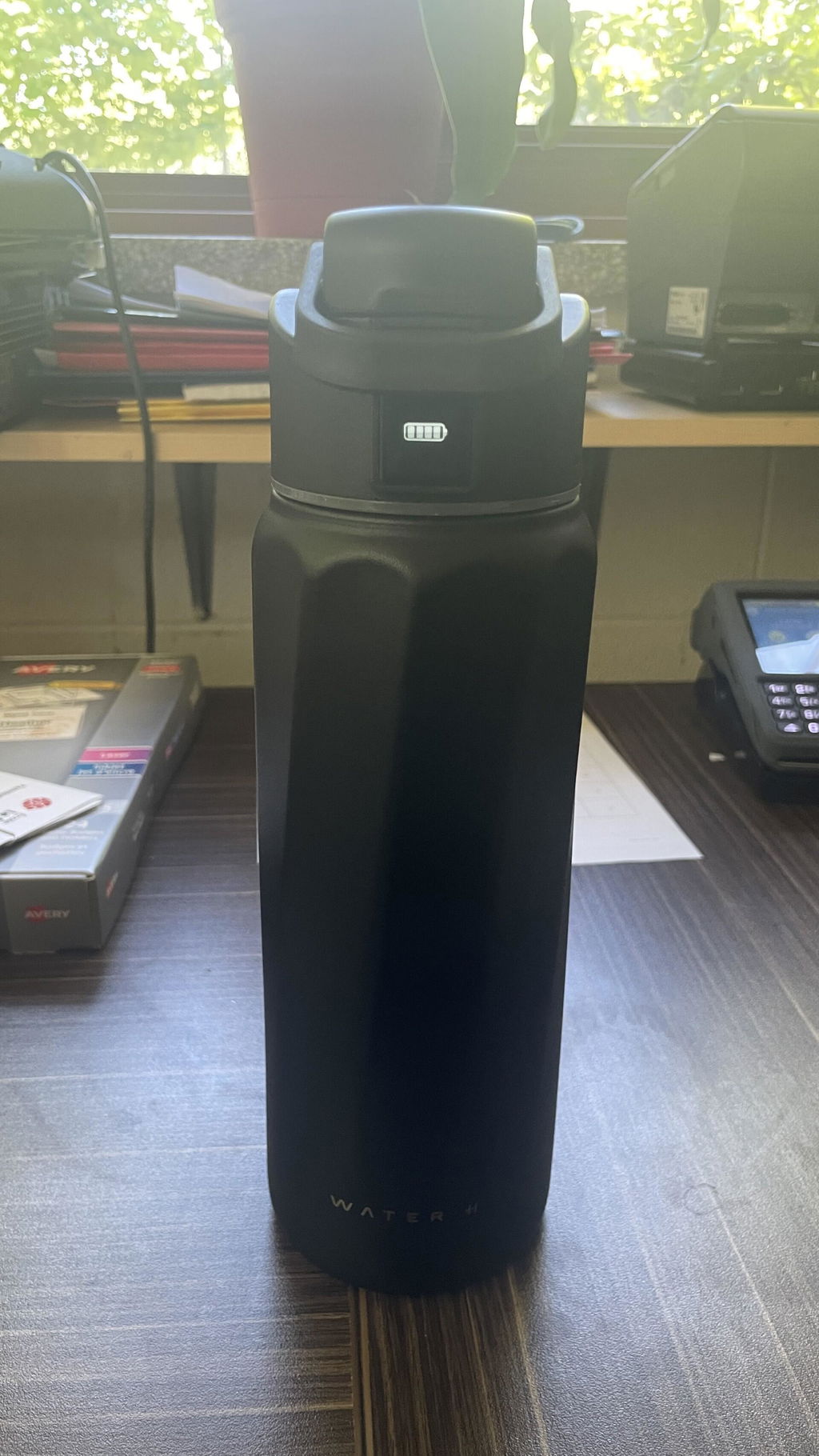
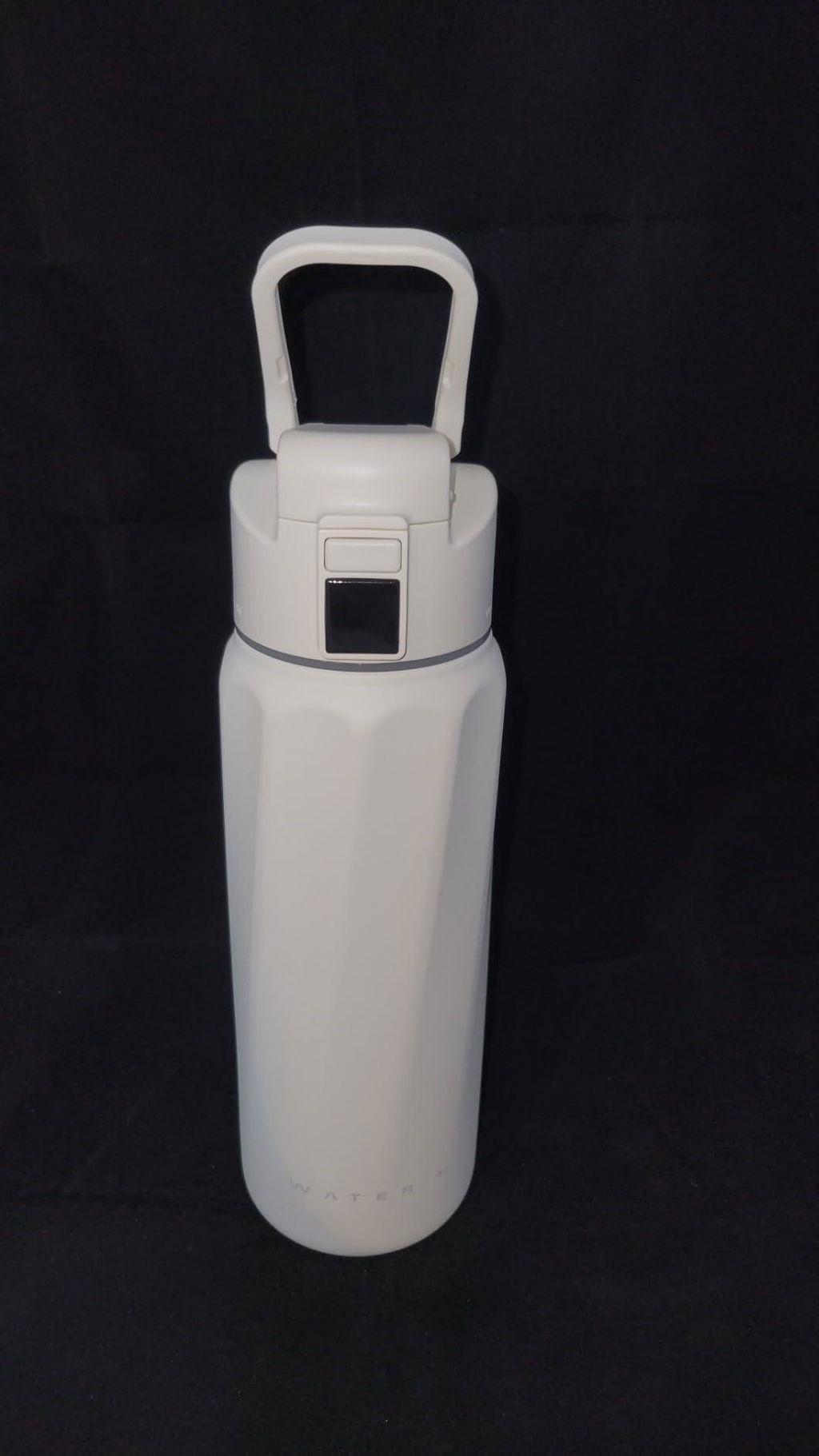
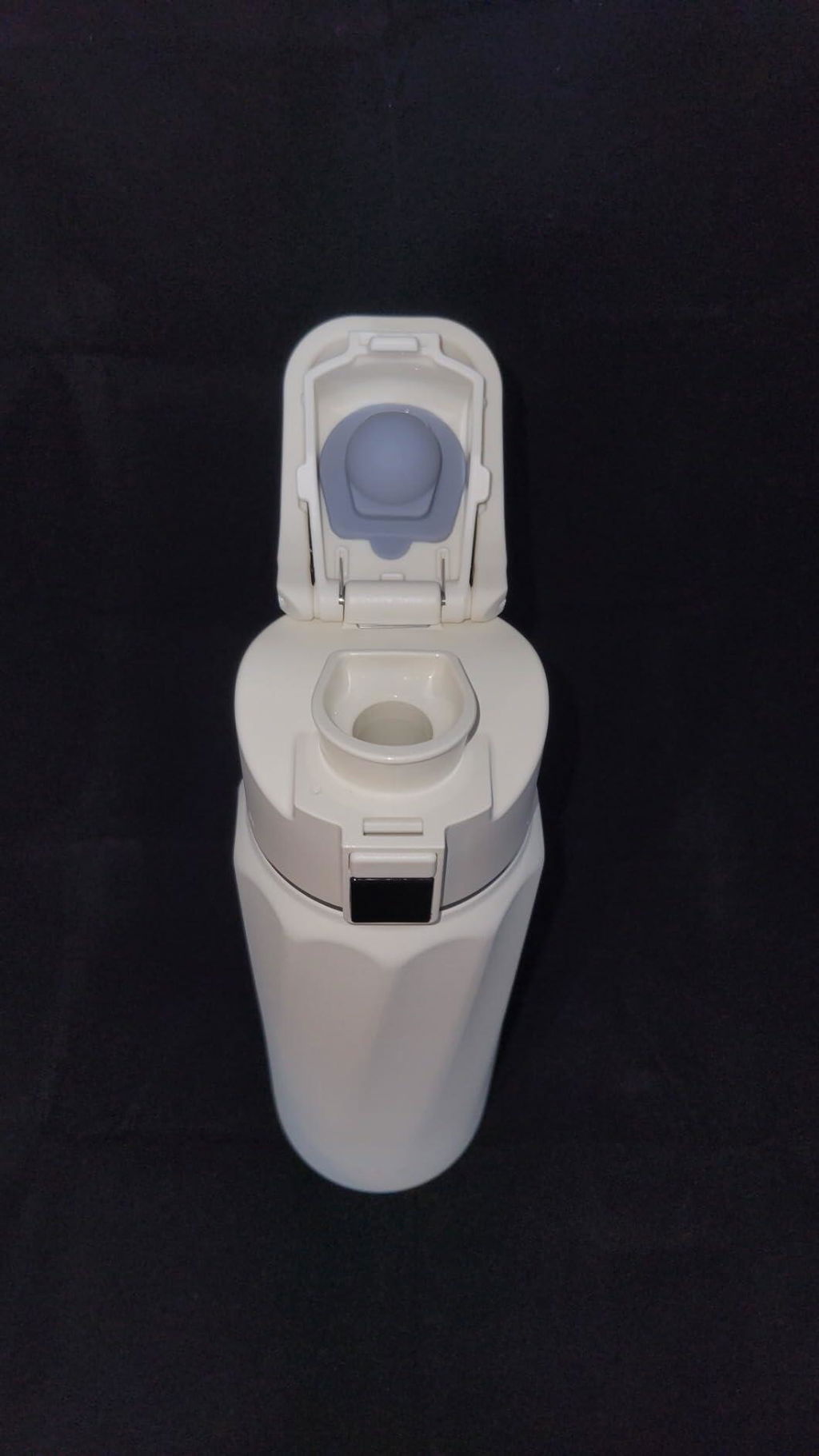
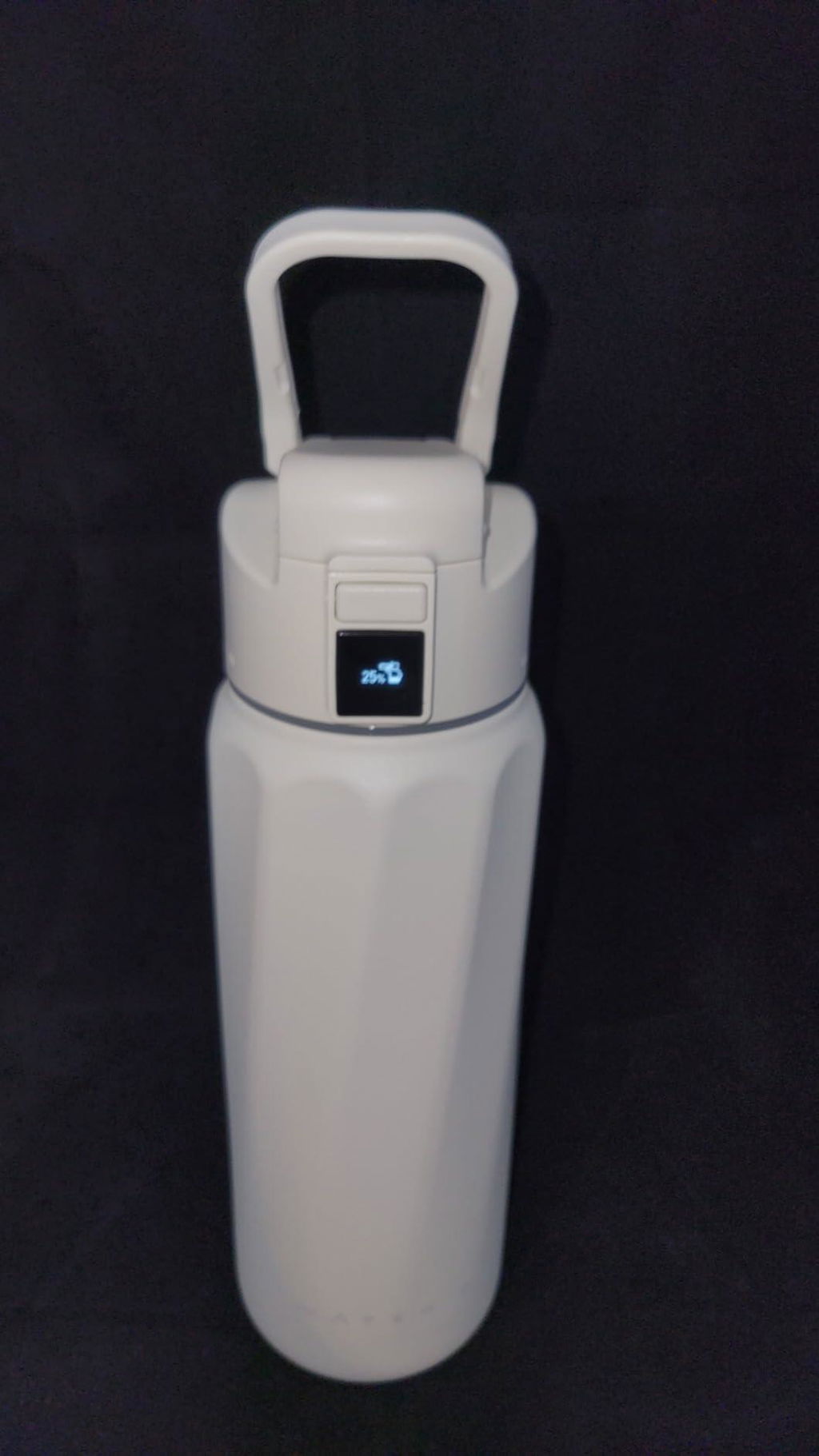
That’s why many people are turning to a water bottle with app that:
- Track daily water intake.
- Provide gentle reminders.
- Adapt to personal goals and routines.
Rather than relying on guesswork, smart hydration helps people build sustainable habits—ensuring hydration happens in the morning, afternoon, and early evening without conscious effort.
FAQs
Is it bad to drink water right before bed?
Not inherently, but large amounts may disrupt sleep.
Should I drink water before or after breakfast?
Either works, but drinking some water before eating may support digestion.
How do I know if I`m dehydrated at night?
Signs include dry mouth, dark urine in the morning, and morning headaches.
Conclusion
Morning hydration matters more for immediate health benefits, while evening hydration supports recovery when done mindfully.
But the real winner isn’t morning or evening—it’s consistent hydration throughout the day.
With better awareness, smarter habits, and tools like WaterH, staying properly hydrated doesn’t have to be complicated. It simply becomes part of how you live—one sip at a time.